
What Should You Consider Before Breeding Livestock?
Breeding is not simply producing offspring — it is designing the biological performance of your future herd or flock.
Every mating decision affects fertility, survival, labour, feed demand and long-term profitability.
Key principle: Genetics must match environment, and nutrition must match physiology.
When they don’t align, producers end up managing problems instead of managing animals.
1. Genetics & Crossbreeding Strategy
Before breeding, decide what you need animals to do — not what they look like.
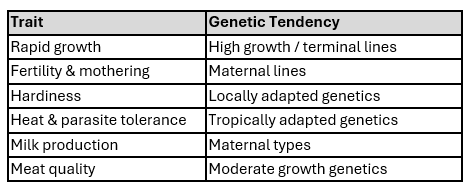
Crossbreeding — What You’re Trying to Achieve
You are balancing:
Survival
Fertility
Growth
Feed demand
Common mistakes:
Selecting maximum growth without feed capacity
Using large-frame sires over immature females
Choosing genetics suited to a different climate
Running high-input animals in low-input systems
Match genetics to country first, market second, growth last.
2. Birthing Issues — Why They Occur
Most birth problems are predictable biological mismatches.
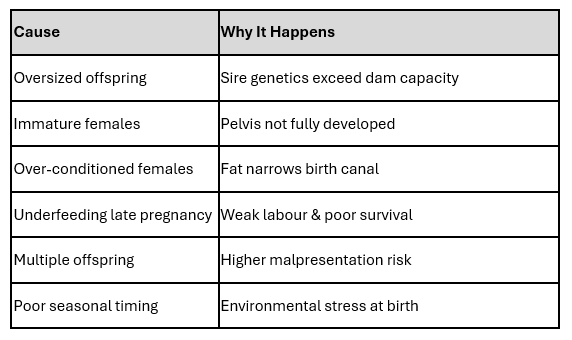
Important concept:
Birth size comes largely from the sire — survival depends on the dam and environment.
3. Environment Suitability
Animals should thrive in their environment without constant intervention.
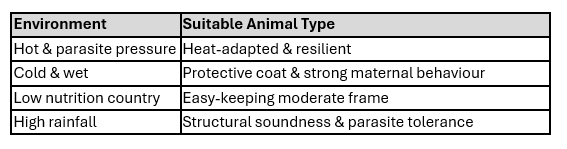
If you rely heavily on treatments, supplements or assistance — genetics and environment are misaligned.
4. Joining & Birthing Timing
Reproduction should follow the feed curve — not the calendar.
Goal: Peak lactation demand occurs when pasture quality peaks.
Poor timing leads to:
Low conception
Weak offspring
High mortalities
Failure to rebreed
You are planning nutrition availability more than mating date.
5. Feed Requirements Through Reproductive Stages
Reproductive performance is primarily nutritional.
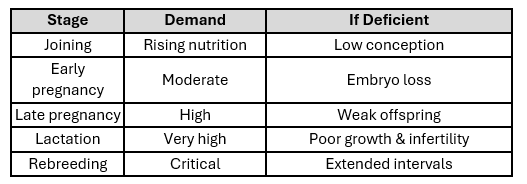
Peak demand occurs after birth — not before.
If feed cannot support lactation, fertility declines regardless of genetics.
6. Rebreeding & Long-Term Productivity
The most profitable breeding female is the most consistent, not the biggest.
You want animals that:
Raise offspring unassisted
Maintain condition
Rebreed on schedule
Require minimal supplementation
High output animals often fail in low-input environments.
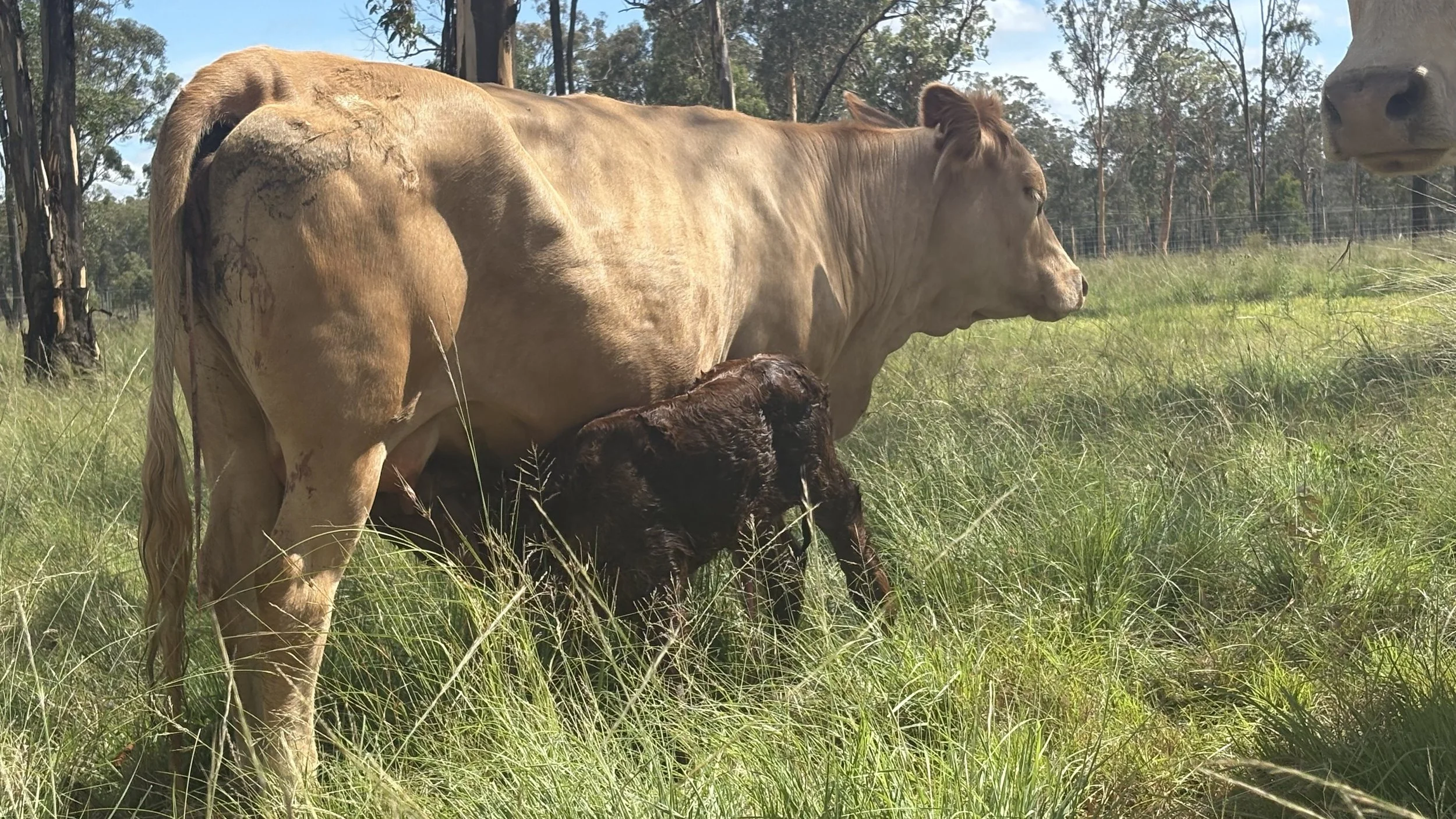
7. Who Should You Speak To Before Breeding?
Good breeding decisions are multidisciplinary. No single advisor covers everything.
Who to go to when:
Livestock Veterinarian
Discuss:
Fertility issues
Pregnancy scanning timing
Disease risks (reproductive diseases, deficiencies)
Birthing risk management
Genetics / Stud Breeder
Discuss:
Suitable sire selection
Birthweight genetics
Maternal vs terminal goals
Adaptation to local conditions
Nutritionist or Feed Advisor
Discuss:
Joining condition score targets
Late pregnancy energy requirements
Lactation feed demand
Supplement strategies
Extension Officer / Industry Advisor
Discuss:
Regional seasonal patterns
Suitable breeding windows
Local survival risks
Management systems that work locally
Experienced Local Producers
Often the most practical information:
What actually survives in your district
When people successfully breed
What fails repeatedly
The best breeding programs come from combining science with local experience.
Final Takeaway
Breeding livestock is a system design decision:
Genetics + Environment + Nutrition + Season + Advice = Predictable Performance
When aligned:
Fewer birthing problems
Higher survival
Improved fertility
Lower costs
When misaligned:
More labour
More treatments
More losses
Good breeding programs reduce management workload.
Poor breeding programs create it.
Kind Regards,
Amanda Burchmann
Livestock Production & Industry Development Specialist
Founder | Advocate | ProducerPhone: 0408847536
Email: amanda@jabagrisolutions.com.au
Disclaimer:
The information provided in this article is true and correct to the best of my knowledge at the time of publication. It is intended for general guidance and informational purposes only. Readers are encouraged to verify any information and seek independent advice relevant to their individual circumstances, particularly where legal, financial, or regulatory compliance matters are concerned.