
I’ve Just Been Notified I’m Getting an LPA Audit — What Do I Do?
Receiving an email advising that you are due for a Livestock Production Assurance (LPA) audit can trigger immediate stress — especially if you are a small or newer producer. The good news is this:
Audits are not designed to catch you out.
They are a verification process to confirm that you understand and are applying the principles of the Livestock Production Assurance program.
If you approach it methodically, an audit is very manageable.

First Things First — Take a Breath
Audits can feel incredibly daunting when you’re unsure where to start or what you need in place. So, if you’ve received an audit notification and you’re already preparing — well done. That’s exactly what you should be doing.
The auditor’s role is to:
Verify your systems
Ask questions about your processes
Guide you if something is missing or unclear
You are not expected to be perfect — you are expected to be accountable, honest, and willing to improve.
Step 1: Start With an LPA Audit Checklist
The easiest way to regain control is to work through an LPA Audit Checklist.
This acts as your roadmap and helps ensure nothing is overlooked before audit day.
Use it to:
Identify what documents you already have
Highlight gaps that need attention
Prepare explanations for how you manage livestock on your property

Step 2: Save and Keep Core Reference Documents on File
Auditors will expect that you have access to key industry reference material. These don’t need to be memorised — they simply need to be available and current.
Make sure you have the following saved electronically or printed and on hand:
During an audit, being able to demonstrate that you know where to access these documents is often sufficient.
Step 3: Complete Your Plans & Record-Keeping Booklet
A well-structured booklet or folder that contains your plans and records makes audits significantly easier. An editable booklet should include the following completed sections:
Mandatory Plans:
Property Risk Assessment — must be completed
Animal Welfare Management Plan — must be completed
Biosecurity Management Plan — must be completed
These plans show how you identify and manage risks related to animal welfare, food safety, biosecurity and property hazards.
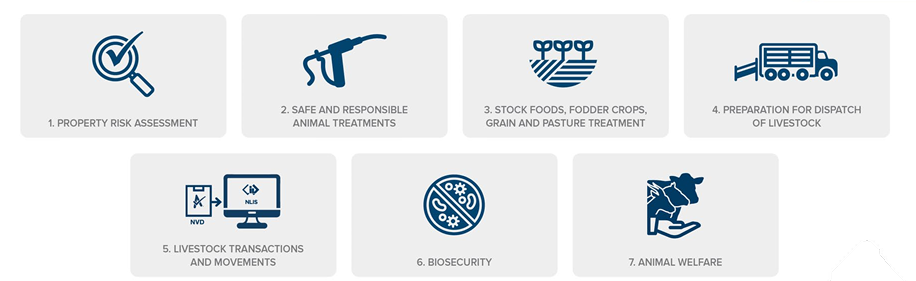
Animal Husbandry & Chemical Records
Product names
Dose rates
Dates administered
Animals treated
Withholding periods
NVD / eNVD Records — incoming and outgoing
Visitor Register
Feed Purchase Register
Feed Out Register
Buying and Selling Records
Auditors are not looking for perfection — they are looking for consistency and traceability.
Step 4: Check the Small but Critical Details
Before audit day, run through these key reminders:
Chemical Storage
Stored securely
Used strictly as per label instructions
No out-of-date products on hand
Movement & Treatment Records
All incoming and outgoing livestock movements documented
All incoming and outgoing NVDs or eNVDs completed correctly and retained
Treatments clearly recorded with withholding periods observed
Visitor Procedures
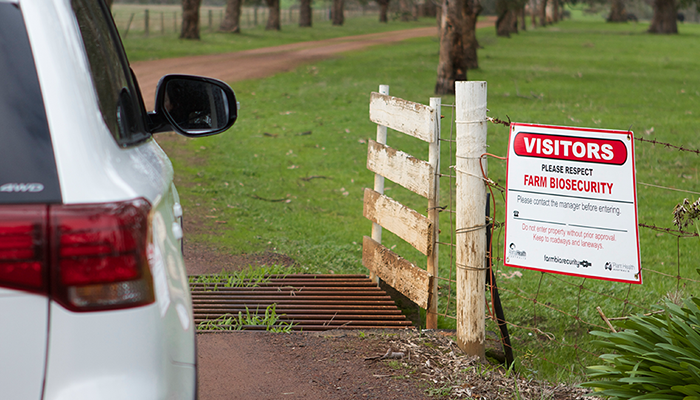
Biosecurity signage displayed at property entry points
Visitor register completed
Ability to explain your visitor biosecurity process
Biosecurity signs are readily available from most local produce stores.
Step 5: Be Ready to Explain What You Do — Not Just Show Paperwork
Audits are conversational. The auditor may ask:
How do you manage sick or injured animals?
How do you ensure animals are fit to load?
What happens when new livestock arrive?
How do you manage visitors and contractors?
There is no “perfect answer” — only honest explanations that align with LPA principles.
The Most Important Thing to Remember
Once again — LPA audits are not about punishment.
If something is missing, incomplete or misunderstood:
You will usually be guided on what needs to be corrected
You may be given time to address gaps
Education and improvement are the priority
Most producers leave audits feeling more confident, not less.
Need Support? You Don’t Have to Do This Alone
If you would like help:
Working through your checklist
Completing plans and records
Understanding what an auditor is likely to ask
Preparing calmly and confidently
Reach out. Asking questions before an audit is one of the strongest things you can do as a producer.
You’re doing the right thing — and you’ve got this.
Kind Regards,
Amanda Burchmann
Livestock Production & Industry Development Specialist
Founder | Advocate | ProducerPhone: 0408847536
Email: amanda@jabagrisolutions.com.au
Disclaimer:
The information provided in this article is true and correct to the best of my knowledge at the time of publication. It is intended for general guidance and informational purposes only. Readers are encouraged to verify any information and seek independent advice relevant to their individual circumstances, particularly where legal, financial, or regulatory compliance matters are concerned.