
A Practical Guide to Purchasing the Right Sheep, Cattle and Goats
Buying Livestock: A Practical Guide to Purchasing the Right Sheep, Cattle and Goats
Whether you're purchasing your first few animals for a hobby farm or expanding an existing livestock enterprise, buying livestock is one of the most important decisions you'll make as a producer.
The right purchase can improve productivity, profitability, genetics, and grazing management. The wrong purchase can result in animal health issues, biosecurity risks, compliance problems, and significant financial losses.
At JAB Agri Solutions, we regularly work with producers who are unsure where to start, what questions to ask, or how to assess livestock before purchasing. This guide provides practical advice to help you make informed decisions when buying cattle, sheep, and goats.
Start With Your End Goal
Before purchasing any livestock, clearly define what you want the animals to achieve.
Ask yourself:
Are you breeding livestock?
Producing meat, wool, or milk?
Purchasing replacement females?
Trading livestock?
Managing pasture and vegetation?
Building a stud or commercial herd?
Understanding your goals will help determine the most suitable breed, age, sex, and class of livestock for your operation.
JAB Agri Solutions Producer Tip
Never buy livestock simply because they are cheap. Buy livestock because they fit your production goals.
Choose Breeds That Suit Your Market
Different breeds are suited to different markets and production systems.
Cattle
Common beef breeds include:
Angus
Hereford
Charolais
Simmental
Brahman
Droughtmaster
Santa Gertrudis
Each breed offers different strengths in fertility, growth, adaptability, carcase characteristics, and market suitability.
Sheep
Common sheep breeds include:
Merino
White Suffolk
Dorset
Dorper
Australian White
The most suitable breed will depend on whether your focus is wool, meat production, or a dual-purpose enterprise.
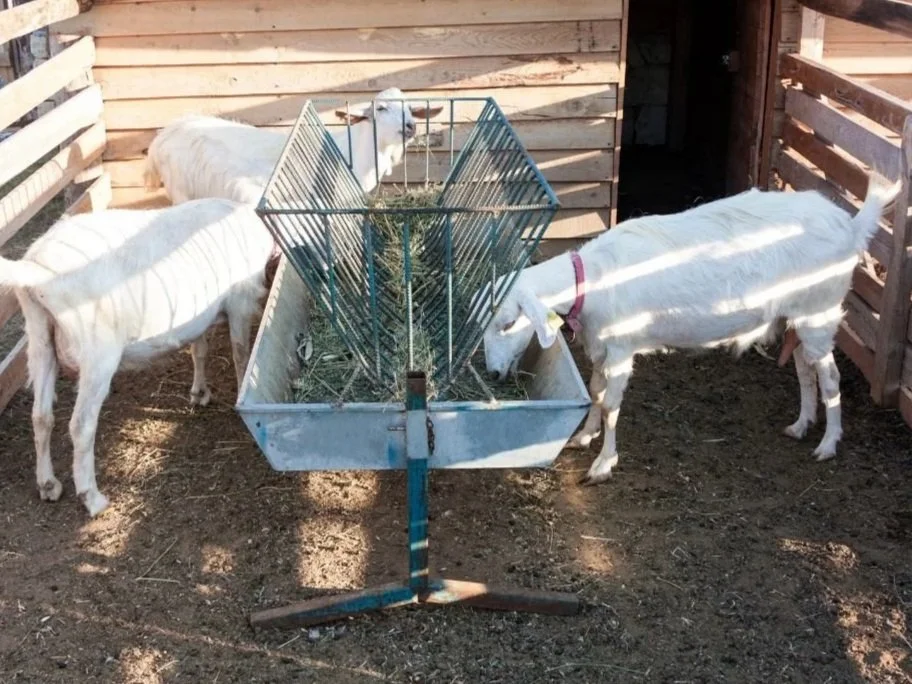
Goats
Common goat enterprises include:
Boer goats
Rangeland goats
Dairy goats
Each production system has different infrastructure, nutrition, and management requirements.
Select Livestock Suited to Your Environment
Not all livestock perform equally in every location.
Consider:
Rainfall
Climate
Humidity
Tick prevalence
Feed availability
Terrain
Parasite pressure
Livestock that are adapted to local conditions generally perform better and require less intervention.
JAB Agri Solutions Producer Tip
Ask local producers, agents, and advisors what breeds consistently perform well in your region. Local knowledge is invaluable.
Where Should You Buy Livestock?
There are several ways to purchase livestock, each with advantages and disadvantages.
Saleyards
Saleyards provide access to large numbers of livestock from multiple vendors.
Benefits include:
Competitive market pricing
Large selection of stock
Ability to visually inspect livestock
Access to livestock agents and market intelligence
Challenges include:
Livestock from multiple properties mixing together
Potential disease exposure
Fast-paced purchasing environment
AuctionsPlus
AuctionsPlus allows producers to purchase livestock online throughout Australia.
Benefits include:
Independent assessments
Vendor declarations
Access to livestock nationwide
Reduced travel requirements
Buyer pays freight
Always review assessment information carefully and consider transport costs before purchasing.
Private Sales
Purchasing directly from a producer allows you to inspect livestock in their home environment.
Benefits include:
Viewing management practices
Understanding property conditions
Direct access to the vendor
Better understanding of animal history
Through a Livestock Agent
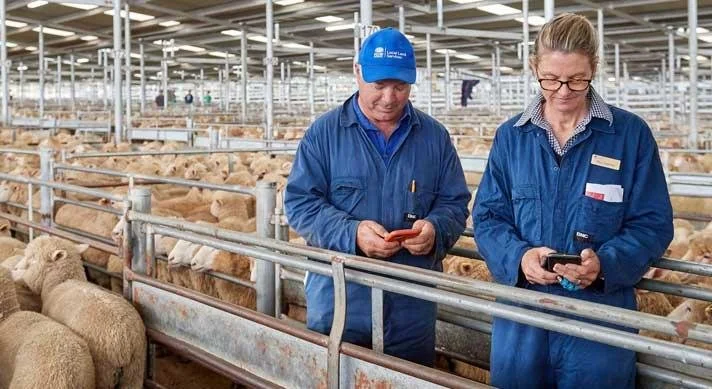
A trusted livestock agent can be one of the most valuable members of your team.
A good agent can:
Source suitable livestock
Provide market advice
Negotiate on your behalf
Assist with compliance and documentation
Coordinate transport
JAB Agri Solutions Producer Tip
A good livestock agent often saves more money than they cost by helping you avoid poor purchasing decisions.
Be Cautious When Buying Livestock Through Facebook Marketplace or Gumtree
While livestock are frequently advertised on Facebook Marketplace and Gumtree, these platforms often lack the safeguards available through traditional livestock selling channels.
Potential risks include:
Limited livestock history
Unknown vaccination status
Poor traceability records
Incorrect NLIS information
Biosecurity risks
Misrepresentation of livestock
Unclear ownership history
If purchasing livestock through online marketplaces:
Inspect stock in person whenever possible.
Verify the Property Identification Code (PIC).
Confirm NLIS requirements can be met.
Request treatment records.
Request vaccination history.
Verify ownership details.
If information cannot be provided, proceed with caution.
What Does Good Livestock Look Like?
When assessing livestock, look for signs of health, productivity, and good management.
Healthy livestock should display:
✔ Bright eyes
✔ Clean nostrils
✔ Healthy coat, wool, or hair
✔ Good body condition
✔ Sound feet and legs
✔ Free and even movement
✔ Alert behaviour
✔ Good temperament
✔ Normal breathing
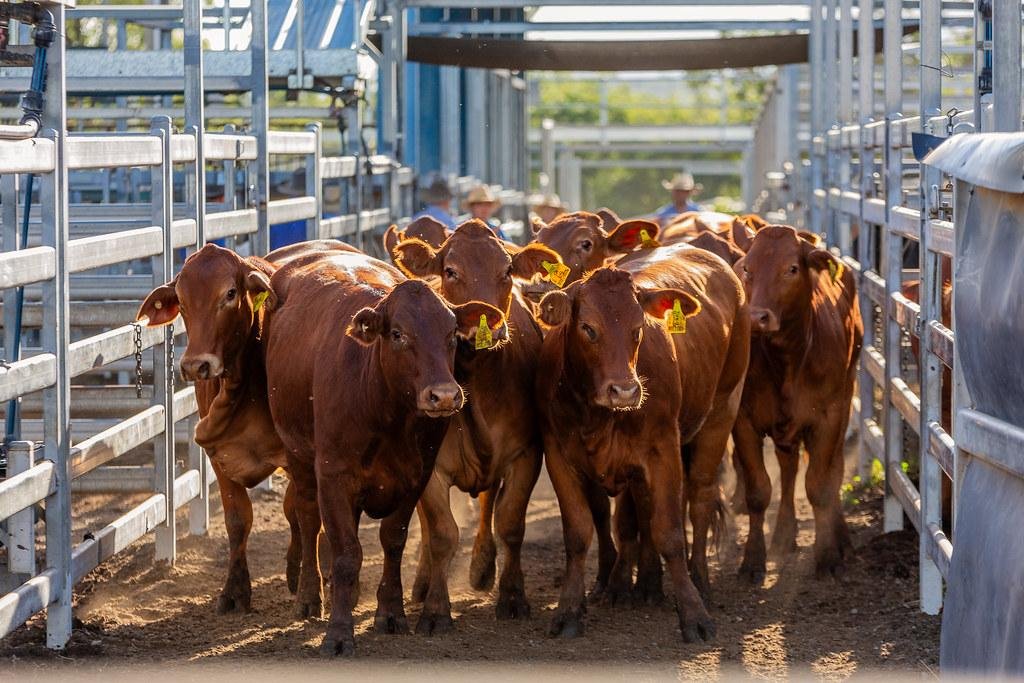
Assess Body Condition
Animals should be carrying enough condition to demonstrate good nutrition without being excessively fat.
Poor body condition may indicate:
Disease
Parasite burdens
Poor nutrition
Management issues
Assess Structural Soundness
Regardless of species, livestock should be structurally sound.
Check:
Feet
Hooves
Legs
Joints
Backline
Jaw alignment
Watch livestock walk whenever possible and ensure they are not stiff or limping.
Structural issues can significantly impact longevity, productivity, and reproductive performance.
Animal Welfare Indicators to Assess
Good welfare generally reflects good management.
Castration
Check that castration wounds have healed properly.
Avoid livestock displaying:
Infection
Swelling
Open wounds
Flystrike
Dehorning and Horn Tipping
Inspect dehorning sites for signs of healing.
Avoid livestock showing:
Discharge
Swelling
Active infections
Flystrike
Vaccination Programs
Ask what vaccination program the livestock have received.
Examples may include:
5-in-1
6-in-1
7-in-1
Vibrovax
Pestigard
Gudair
CLA vaccines
Request documentation where possible.
Drenching and Parasite Management
Ask:
When were the animals last drenched?
What product was used?
Have resistance issues been identified?
Check your NVD or ENVD
Understanding parasite management history can help avoid future health issues.
What Should Make You Walk Away?
Not every animal is worth buying.
Warning signs include:
❌ Nasal discharge
❌ Persistent coughing
❌ Laboured breathing
❌ Severe weight loss
❌ Lameness
❌ Swollen joints
❌ Bottle jaw
❌ Flystrike
❌ Abscesses
❌ Open wounds
❌ Infected castration sites
❌ Infected dehorning wounds
❌ Aggressive temperament
❌ Poor structure
❌ Unknown treatment history
❌ Unclear ownership or traceability records
JAB Agri Solutions Producer Tip
If something doesn't look right, trust your instincts and ask questions. There will always be another sale and another opportunity to buy livestock.
Questions to Ask Before You Buy
Always ask:
Why are the livestock being sold?
Have they been vaccinated?
Have they been drenched?
What feed are they currently receiving?
Have there been any recent health issues?
Are females joined or pregnancy tested?
Are all NLIS records current?
What is their temperament like?
Have they been yard weaned?
The answers often tell you more than what you can see visually.
Buy the Vendor Before You Buy the Livestock
One of the oldest and most valuable pieces of livestock buying advice is:
"Buy the vendor before you buy the livestock."
Producers who invest in:
Animal welfare
Nutrition
Genetics
Vaccination programs
Biosecurity
Good stockmanship
typically produce livestock that perform better after purchase.
The quality of management behind the livestock is often just as important as the livestock themselves.
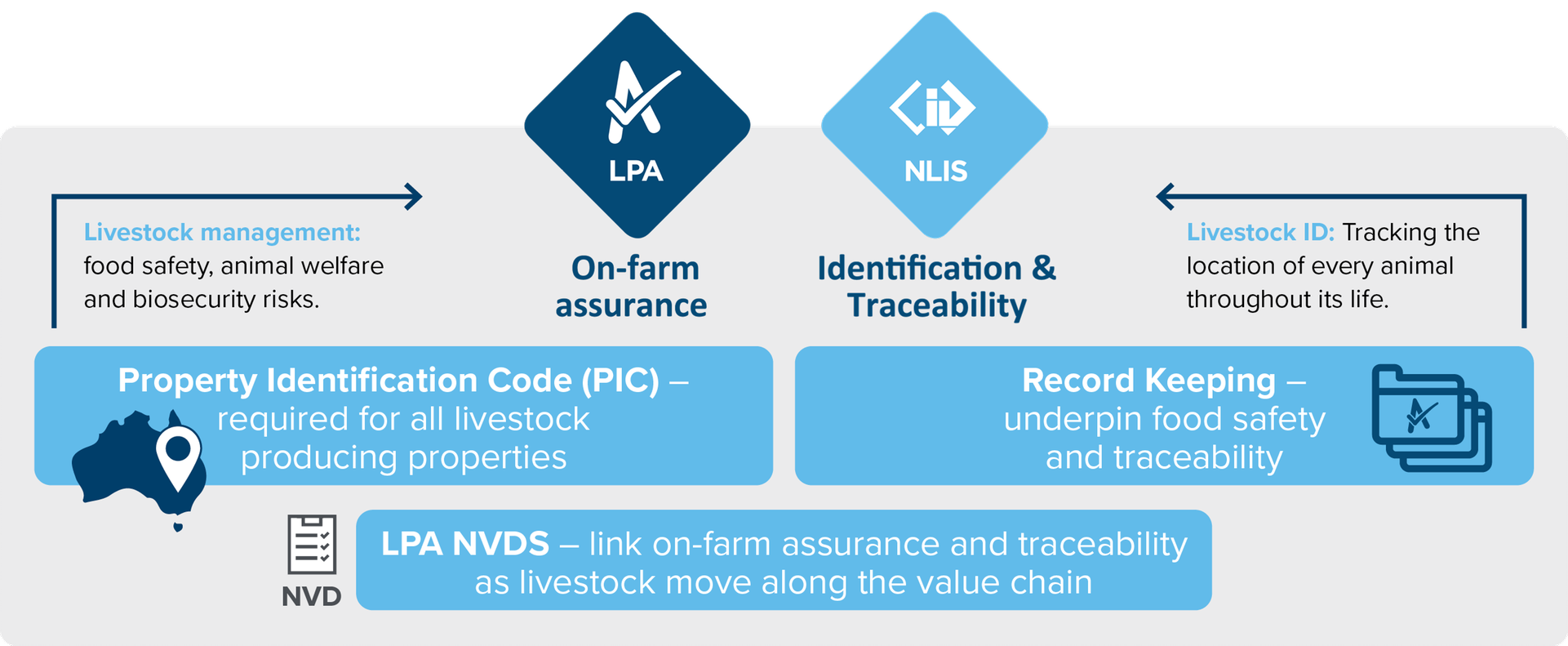
Compliance and Traceability Matter
Before livestock leave the property, ensure:
NLIS requirements are met (each animal is tagged with an eID tag for species)
Transfers are completed correctly
National Vendor Declarations (NVDs) are supplied where required
PIC details are accurate
Records are retained
Failure to meet traceability requirements can create compliance issues and increase biosecurity risks.
Final Thoughts
The cheapest livestock are rarely the cheapest livestock in the long run.
Successful producers focus on purchasing livestock that are healthy, well managed, structurally sound, suited to their environment, and aligned with their production goals.
Take your time, ask questions, seek advice, and don't be afraid to walk away if something doesn't seem right.
At JAB Agri Solutions, we help producers navigate livestock purchasing decisions, compliance requirements, biosecurity planning, and livestock management systems to build productive, profitable, and sustainable enterprises.
Because good livestock decisions start long before the animals arrive at the gate.
Kind Regards,
Amanda Burchmann
Livestock Production & Industry Development Specialist
Founder | Advocate | Producer
Phone: 0408847536
Email: amanda@jabagrisolutions.com.au
Disclaimer:
The information provided in this article is true and correct to the best of my knowledge at the time of publication. It is intended for general guidance and informational purposes only. Readers are encouraged to verify any information and seek independent advice relevant to their individual circumstances, particularly where legal, financial, or regulatory compliance matters are concerned.