When to Consider Supplement Feeding
Understanding Stock Feed Labels and Making Better Feeding Decisions
One of the most common questions I receive from new livestock producers is:
"How do I know if I'm buying the right feed?"
Walk into any rural merchandise store and you'll find dozens of feed products claiming to improve growth, increase condition, boost fertility, enhance performance or provide complete nutrition.
The problem is that many new producers don't know what they should actually be looking for on the label.
Understanding stock feed labels is an important skill for every livestock owner. Whether you run two sheep on a lifestyle block, a small herd of cattle, goats, alpacas, horses or a commercial operation, knowing how to read a feed label can help you make better decisions, save money and improve animal health and performance.
Why Feed Labels Matter
A stock feed label provides valuable information about:
What is in the feed
Which animals it is designed for
How much should be fed
Important safety warnings
Storage requirements
Nutritional content
Unfortunately, many producers purchase feed based on price, packaging, recommendations from friends or sales promotions without fully understanding whether the product is suitable for their livestock.
A few minutes spent reading a feed label can prevent costly mistakes and improve livestock outcomes.
Before You Buy Feed: Does Your Livestock Actually Need Supplement Feeding?
One of the biggest misconceptions among new livestock owners is believing that a bag of feed, lick block, protein supplement or mineral supplement is designed to provide all of an animal's daily nutritional requirements.
In reality, most livestock obtain the majority of their nutrition from:
Pasture
Hay
Silage
Crop residues
Browse (particularly goats)
Supplements are exactly that — a supplement to the base diet.
Before purchasing any feed product, the first question should not be:
"Which supplement should I buy?"
It should be:
"Do my animals actually need supplementation?"
The answer depends on:
Feed availability
Feed quality
Animal class
Production stage
Seasonal conditions
Body condition score
Understanding how much livestock need to consume each day is the foundation of making good feeding decisions.
Understanding Dry Matter Intake (DMI)
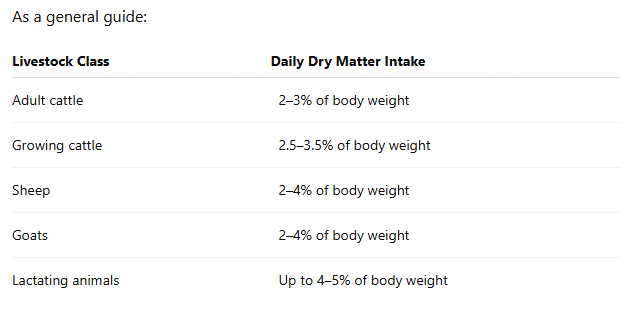
Livestock nutritional requirements are generally measured as Dry Matter Intake (DMI).
Dry matter refers to the feed remaining after all water has been removed.
Because pasture can contain anywhere from 15% to 85% moisture, nutritionists compare feeds using dry matter rather than fresh weight.
Example: Mature Cow
A 500kg cow requiring 2.5% of body weight in dry matter needs:
500kg × 2.5%
= 12.5kg dry matter per day
Example: Ewe
A 60kg ewe requiring 3% of body weight in dry matter needs:
60kg × 3%
= 1.8kg dry matter per day
Example: Doe
A 50kg goat requiring 3% of body weight in dry matter needs:
50kg × 3%
= 1.5kg dry matter per day
These figures are guides only and can increase significantly during growth, pregnancy, lactation or periods of environmental stress.
Understanding What a Lick Block or Dry Lick Actually Does
This is where many new producers get caught out.
A lick block, loose lick, mineral supplement or protein supplement is generally not intended to replace feed.
Most are designed to provide:
Protein
Minerals
Trace elements
Salt
Non-protein nitrogen (such as urea)
Many products are consumed at surprisingly low rates.
Typical consumption may be:
Sheep and goats: 50–200g per head per day
Cattle: 100–500g per head per day
Compare this to the 500kg cow above requiring approximately 12.5kg of dry matter every day.
The supplement may contribute less than 5% of the animal's total daily feed intake.
The remaining 95% still needs to come from pasture, hay, silage or other forage sources.
How to Calculate What a Supplement Is Actually Providing
Let's use a practical example.
A protein lick has a recommended intake of:
500g per head per day
The product contains:
90% dry matter
Dry matter provided:
500g × 90%
= 450g dry matter
If our 500kg cow requires 12.5kg dry matter per day:
450g ÷ 12.5kg
= 3.6% of total daily dry matter intake
This means the supplement is contributing only 3.6% of the animal's total daily feed requirement.
The other 96.4% must come from forage.
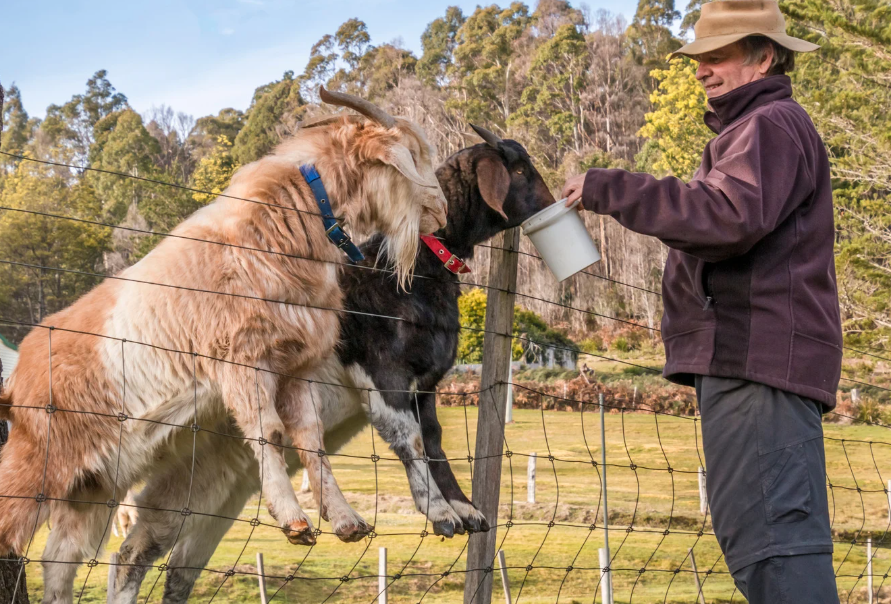
When Might Supplement Feeding Be Required?
One of the biggest myths in livestock production is that animals should always have access to a supplement.
The reality is that supplements should be used to address a specific nutritional deficiency, production goal or seasonal challenge.
If livestock have access to adequate quantities of high-quality pasture that meets their nutritional requirements, supplementation may not be necessary.
However, there are many situations where supplementation can improve animal health, welfare and productivity.
Seasonal Feed Shortages
The most common reason for supplementation is a shortage of available feed.
This may occur during:
Drought
Winter feed gaps
Frost events
Extended dry seasons
Flood recovery periods
When pasture quantity becomes limiting, livestock may not be able to consume enough dry matter to meet their daily requirements.
In these situations, supplementary feeding may be required to maintain condition and animal welfare.
Declining Feed Quality
Sometimes there is plenty of feed available, but the nutritional quality has declined.
Mature, dry pasture often contains:
Lower protein levels
Reduced digestibility
Lower energy availability
Animals may appear to have plenty of feed in front of them but still lose condition because the feed is no longer meeting their nutritional requirements.
Protein supplements are commonly used in these situations to support rumen function and improve the utilisation of poor-quality forage.
Pregnancy
Pregnant livestock have increased nutritional requirements, particularly during the final trimester.
This is when:
Most foetal growth occurs
Energy requirements increase
Protein requirements increase
Insufficient nutrition during pregnancy can impact:
Birth weights
Colostrum quality
Milk production
Animal health
Future growth rates of offspring
Lactation
Lactating animals have some of the highest nutritional requirements they will experience during their production cycle.
Milk production requires significant amounts of:
Energy
Protein
Water
Minerals
Even when pasture availability appears adequate, supplementation may be required to maintain body condition and support milk production.
Growing Young Stock
Young animals are still developing muscle, bone and frame.
Weaners and growing stock often require higher quality nutrition than mature maintenance animals.
Supplementation may be beneficial when:
Growth rates are below target
Seasonal conditions reduce pasture quality
Animals are being prepared for sale or breeding
Joining and Breeding Programs
Nutritional management before joining can influence reproductive performance.
In some situations, supplementation may be used to:
Improve body condition scores
Increase fertility
Support conception rates
Improve reproductive outcomes
This should be based on nutritional assessment rather than routine supplementation.
Mineral Deficiencies
Some regions are naturally deficient in certain minerals.
Common deficiencies may include:
Phosphorus
Calcium
Copper
Selenium
Cobalt
Signs of deficiency can include:
Poor growth
Reduced fertility
Poor immune function
Poor production performance
Before investing in mineral supplements, producers should seek advice and consider testing where appropriate.
During Livestock Inductions
When purchasing new livestock, animals may arrive:
Stressed
Dehydrated
Nutritionally depleted
Unfamiliar with local feed sources
Providing access to suitable feed and supplements during induction periods can assist livestock to settle and recover.
However, sudden dietary changes should always be avoided.
Things to Remember:
Step 1: Check Which Animals the Feed Is Designed For
Feeds are generally formulated for specific livestock classes such as:
Cattle
Sheep
Goats
Horses
Poultry
Pigs
Alpacas
Never assume a feed can be safely fed across all species.
Step 2: Understand the Ingredients List
Common ingredients include:
Energy Sources
Barley
Wheat
Sorghum
Maize
Molasses
Protein Sources
Lupins
Soybean meal
Cottonseed meal
Canola meal
Fibre Sources
Lucerne
Hay products
Hulls
Minerals and Vitamins
Calcium
Phosphorus
Magnesium
Salt
Trace minerals
Vitamin supplements
Step 3: Read the Nutritional Analysis
Pay particular attention to:
Crude Protein
Supports:
Growth
Muscle development
Milk production
Wool production
Energy
Drives:
Weight gain
Fertility
Milk production
Maintenance
Fibre
Supports rumen function and digestive health.
Minerals
Critical for growth, fertility and production.
Don't Chase Protein Numbers Alone
One of the biggest mistakes new producers make is comparing feeds solely on protein percentage.
Livestock require a balance of:
Energy
Protein
Fibre
Minerals
Vitamins
Water
A high protein feed is not automatically a better feed.
Always assess the whole nutritional profile.
Step 4: Follow Feeding Directions
When introducing a new feed:
Introduce gradually over 7–14 days
Ensure access to clean water
Continue providing roughage
Monitor livestock closely
Sudden dietary changes can lead to serious digestive disorders.
Step 5: Watch for Warning Statements
Always read warning statements carefully.
These may relate to:
Species restrictions
Medication
Restricted Animal Material (RAM)
Storage requirements
Feeding limitations
Understanding Restricted Animal Material (RAM)
Negative RAM Statement
"Does not contain Restricted Animal Material."
Positive RAM Statement
"Contains Restricted Animal Material. Do not feed to cattle, sheep, goats, deer or other ruminants."
These statements are important biosecurity safeguards and should never be ignored.
Important: Understanding Urea and Non-Protein Nitrogen
Urea is commonly found in:
Dry season supplements
Lick blocks
Loose licks
Drought feeding products
Some cattle supplements
Urea Should Never Be Fed To:
Horses
Pigs
Poultry
Dogs
Young pre-ruminant livestock
Any non-ruminant animal
Even for Cattle, Sheep and Goats:
Introduce gradually
Follow directions exactly
Ensure adequate energy intake
Never allow hungry animals unrestricted access
Always provide clean water
If You See These Words on a Feed Label:
Urea
Non-Protein Nitrogen (NPN)
Biuret
Make sure you fully understand how the product should be used before feeding it.
Supplementation Should Be Based on Need, Not Habit
One of the most expensive mistakes producers can make is supplementing livestock simply because they always have.
Every feeding decision should answer the question:
"What nutritional deficiency am I trying to address?"
If that question cannot be answered, there is a good chance the supplement may not be required.
The goal should always be to use supplements strategically to support animal performance, welfare and productivity—not simply because the product is available.
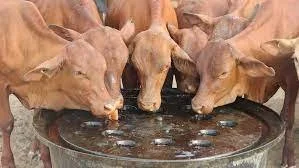
Feed Quantity vs Feed Quality: Why Body Condition Score Matters
One of the most common mistakes made by new livestock owners is assuming that because there is plenty of grass in the paddock, their animals are receiving adequate nutrition.
Unfortunately, livestock don't eat kilograms of grass — they eat nutrients.
A paddock can appear full of feed while still failing to provide enough:
Energy
Protein
Minerals
Digestible dry matter
to meet an animal's requirements.
This is particularly common during:
Winter
Dry seasons
Drought recovery
Late summer
When pasture has become mature and stemmy
As pasture matures, it generally becomes:
Lower in protein
Lower in energy
Less digestible
Higher in fibre
This means animals may physically fill their stomachs but still fail to consume enough nutrients.
A Practical Example
Imagine two paddocks.
Paddock A
Green feed
Good leaf content
Actively growing pasture
Paddock B
Tall feed
Dry stems
Seed heads
Little green leaf
To a new producer, both paddocks may appear to contain plenty of feed.
However, livestock grazing Paddock B may actually be receiving significantly less nutrition.
This is why feed quality is often more important than feed quantity.
The Importance of Body Condition Scoring (BCS)
One of the simplest tools available to producers is Body Condition Scoring.
Rather than assessing the paddock, Body Condition Scoring assesses the animal.
If livestock are maintaining appropriate body condition, current feeding programs are likely meeting their nutritional requirements.
If body condition is declining, nutritional intervention may be required.
What Should Producers Look For?
Cattle
Assess:
Ribs
Spine
Hooks and pins
Tail head
Questions to ask:
Can ribs be easily seen?
Is the backbone becoming prominent?
Is muscle mass reducing?
Sheep
Assess:
Short ribs over the loin
Spine
Fat cover
Remember that wool can hide poor condition.
Always use your hands rather than relying solely on visual assessment.
Goats
Assess:
Spine
Rib coverage
Muscle over the loin
Goats can lose condition surprisingly quickly during feed shortages.
When Body Condition Starts Falling
Supplementation may be worth investigating when:
Animals are losing weight
Body condition scores are declining
Pregnancy requirements are increasing
Lactating females are struggling to maintain condition
Young stock are failing to meet growth targets
However, supplementation should always begin with identifying the deficiency.
Ask:
Do I have enough feed?
Is feed quality adequate?
Is protein limiting performance?
Is energy limiting performance?
Is there a mineral deficiency?
The answer to these questions will determine the most appropriate feeding strategy.
Not All Supplements Solve the Same Problem
Another common mistake is buying a supplement without understanding what nutritional gap it is designed to fill.
Some products provide:
Protein
Energy
Minerals
Trace elements
Fibre
Urea for rumen microbes
Each serves a different purpose.
Before buying a supplement, walk to the livestock before walking to the feed shed.
Look at:
Body condition
Behaviour
Gut fill
Pasture quality
Water availability
The livestock will usually tell you far more about their nutritional status than the marketing claims on a feed bag.
Good nutrition decisions start with assessing the animal, not the supplement.
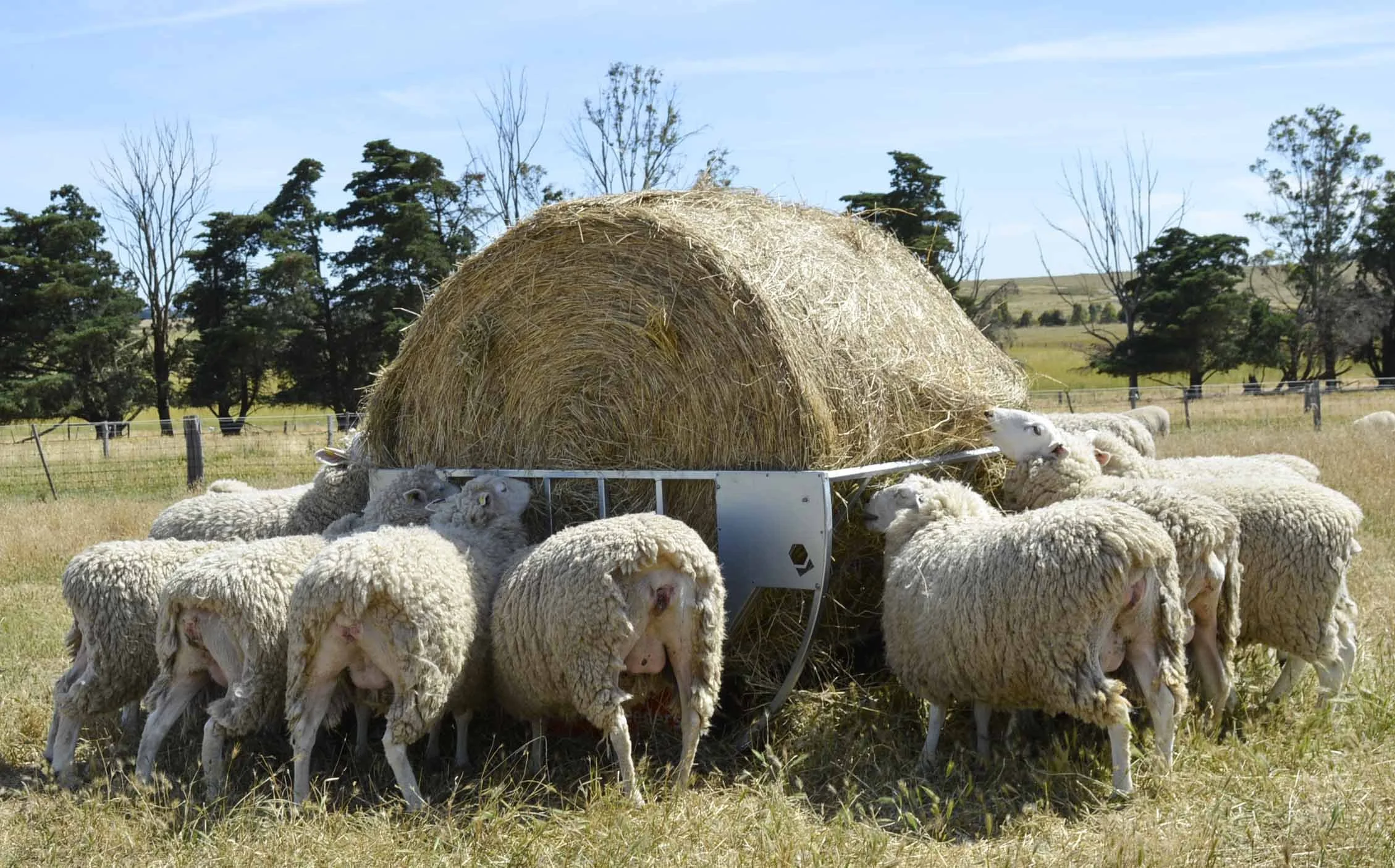
Not Everything on the Bag is Independent Advice
This is one of the most important lessons for new producers.
Many feed products are marketed exceptionally well.
While reputable feed manufacturers invest heavily in research and development, feed labels and promotional material are ultimately designed to sell a product.
A feed bag should never replace advice from:
A livestock nutritionist
A veterinarian
Experienced livestock advisers
Trusted industry professionals
The best feed for your neighbour may not be the best feed for your livestock.
Always understand the problem before buying the solution.
Storage Matters
Store feed:
In a cool, dry place
Away from moisture
Protected from rodents
Within recommended use-by dates
Mouldy or contaminated feed can cause significant animal health issues.
Record Feed Purchases
Keep records of:
Product name
Supplier
Purchase date
Batch number
Good records support traceability, biosecurity and livestock management.
Ask for a Commodity Vendor Declaration (CVD)
When purchasing hay, grain, silage or other feed products, ask whether a Commodity Vendor Declaration (CVD) is available.
A CVD can provide information about:
Chemical treatments
Storage treatments
Residue risks
Product history
Amanda's Five Feed Label Questions
Before purchasing any feed, ask yourself:
What animals am I feeding?
Why am I feeding it?
Does it contain urea or other non-protein nitrogen products?
Is it suitable for the age and production stage of my livestock?
Am I buying nutrition or am I buying marketing?
Final Thoughts
The most successful livestock producers don't start with the supplement.
They start with:
The animal
The pasture
The production goal
Once those are understood, feed labels become a valuable tool for making informed feeding decisions rather than simply a marketing brochure telling you what to buy.
The most expensive feed is not always the best feed.
The cheapest feed is not always the worst feed.
The right feed is the one that meets your animals' nutritional requirements, suits your production system, aligns with your production goals and is fed correctly.
The more you understand what is on the bag, the better equipped you will be to care for your livestock, improve productivity and build confidence as a producer.
Because good livestock decisions start long before the animals arrive at the gate.
Kind Regards,
Amanda Burchmann
Livestock Production & Industry Development Specialist
Founder | Advocate | Producer
Phone: 0408847536
Email: amanda@jabagrisolutions.com.au
Disclaimer:
The information provided in this article is true and correct to the best of my knowledge at the time of publication. It is intended for general guidance and informational purposes only. Readers are encouraged to verify any information and seek independent advice relevant to their individual circumstances, particularly where legal, financial, or regulatory compliance matters are concerned.