Understanding The Essential Nutrients for Healthy Livestock and Productive Land
Salt, Phosphorus & Urea
When it comes to livestock nutrition, producers often hear about salt, phosphorus and urea. They are commonly included in loose licks, blocks and supplement mixes, yet each has a very different purpose.
Understanding what these nutrients do, when they are needed and how to recognise deficiencies can improve livestock performance, pasture utilisation and ultimately the profitability of your enterprise.
The key is remembering that every property is different. Your soils, pasture species, rainfall, livestock class and production goals all influence what supplementation program is best suited to your operation.
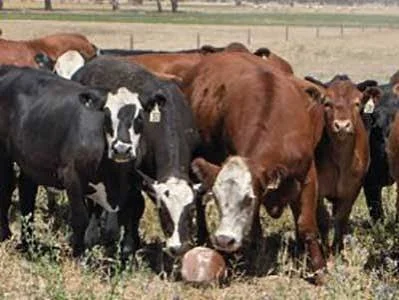
Salt (Sodium Chloride) – More Than Just a Flavouring
Salt is an essential nutrient required by all livestock. It plays a vital role in maintaining normal body function and is often one of the simplest and most economical supplements producers can provide.
Salt helps regulate:
Hydration and water balance
Nerve function
Muscle contraction
Appetite
Digestion
Overall metabolic health
Livestock naturally seek salt when their diet is deficient, which is why producers often provide loose salt or salt blocks throughout the year.
Salt is also commonly added to supplement mixes to:
Control how much supplement livestock consume
Encourage animals to visit supplement stations
Mix with phosphorus or urea to regulate intake
Fresh, clean drinking water should always be available whenever salt is offered.
Signs of Salt Deficiency in Livestock
Reduced appetite
Poor weight gain or weight loss
Licking soil, rocks, timber, machinery or fences
Reduced milk production
Poor growth rates
General unthriftiness
Animals travelling long distances searching for salt
Signs Your Land or Pasture May Be Low in Sodium
Australian pastures are naturally low in sodium in many areas, particularly:
Inland regions
High rainfall areas
Sandy soils
Highly weathered soils
Areas well away from coastal influences
Pasture and soil testing can help determine sodium levels where deficiencies are suspected.
Phosphorus – The Productivity Mineral
Phosphorus is one of the most important minerals for livestock production and one of the most common deficiencies across large parts of Australia, particularly in the northern grazing regions.
It is essential for:
Bone development
Fertility
Pregnancy and reproduction
Milk production
Growth rates
Energy metabolism
Immune function
Young growing stock and breeding females have particularly high phosphorus requirements.
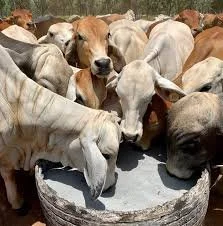
When to Use Phosphorus
Phosphorus supplementation is most valuable during periods of high nutritional demand, particularly when pasture phosphorus levels are low.
Common times to utilise phosphorus include:
Wet season / green feed periods – When pasture growth is high but soils are deficient, phosphorus supports growth and productivity.
Joining and pre-joining – Improves conception rates and reproductive performance.
Pregnancy (especially late pregnancy) – Supports foetal development.
Lactation – Critical for milk production and maintaining cow condition.
Weaner and backgrounding phases – Supports growth rates and skeletal development.
Young stock development – Helps animals reach target weights and puberty earlier.
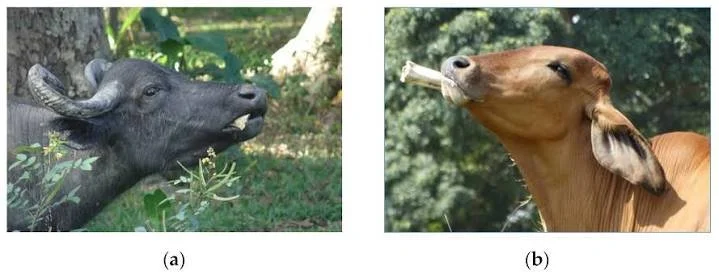
Signs of Phosphorus Deficiency in Cattle
Poor growth rates
Low conception rates
Delayed puberty
Poor body condition despite adequate feed
Reduced milk production
Lower weaning weights
Bone chewing (osteophagia)
Weak or brittle bones in severe cases
Increased susceptibility to disease
Signs of Phosphorus Deficiency in Sheep
Reduced lamb growth
Poor fertility
Reduced wool production
Poor body condition
Weakness in severe deficiencies
Signs Your Land May Be Deficient in Phosphorus
Many Australian soils are naturally low in phosphorus due to their age and weathering.
Possible signs include:
Poor pasture vigour
Slow pasture establishment
Poor legume growth
Lower carrying capacity
Soil tests indicating low available phosphorus
Rather than guessing, soil testing is the best way to determine whether phosphorus fertiliser or livestock supplementation is required.
Urea – Feeding the Rumen, Not the Animal
One of the biggest misconceptions in livestock nutrition is that urea is a protein.
It isn’t.
Urea provides non-protein nitrogen (NPN) that feeds the microbes living in the rumen. These microbes use nitrogen to produce microbial protein, allowing livestock to better digest poor-quality, fibrous pasture.
When dry pasture becomes low in protein, rumen microbes struggle to digest fibre efficiently. Supplementing with urea can improve microbial activity, allowing animals to make better use of available feed.
Benefits of correctly managed urea supplementation include:
Improved fibre digestion
Better feed utilisation
Increased feed intake
Improved maintenance of body condition
Better livestock performance during dry seasons
When to Use Urea
Urea is most useful when pasture protein levels are low and livestock are relying on dry, fibrous feed.
Typical times to utilise urea include:
Dry season or winter – When pasture is mature, dry and low in protein.
Drought conditions – To help livestock better utilise limited roughage.
Standing dry feed periods – When animals have bulk feed but low nutritional quality.
Maintenance feeding – To help maintain body condition when energy is available but protein is limiting.
Urea is generally not required during green feed periods, when pasture protein levels are already adequate.
Signs Livestock May Benefit from Additional Nitrogen
Technically, livestock do not become “urea deficient.” Instead, the rumen microbes become short of nitrogen.
Signs include:
Reduced feed intake
Weight loss
Poor body condition
Slow growth
Dull coats
Reduced production despite having plenty of dry pasture available
These signs commonly occur when pasture protein falls below approximately 7%, usually during winter or prolonged dry periods.
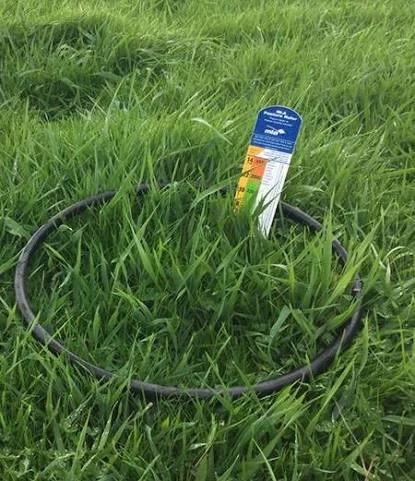
Signs Pasture May Be Low in Nitrogen
Dry, mature standing feed
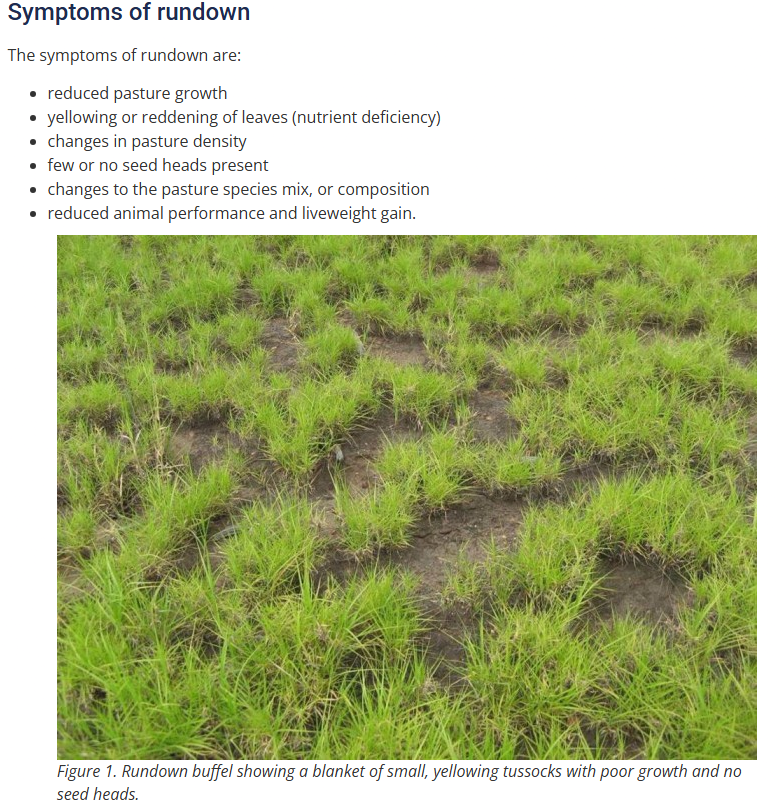
Yellowing pasture
Slow pasture growth
Low crude protein levels from feed tests
Remember that urea only works when animals have sufficient roughage available. It cannot replace feed and should never be considered a substitute for quality nutrition.
Important Safety Considerations
Urea must always be introduced gradually.
Never feed urea:
To hungry livestock
To horses or other non-ruminant animals
Without adequate pasture or roughage
At rates above recommended feeding guidelines
Introducing urea too quickly or feeding excessive amounts can cause urea poisoning, which may be fatal.
Why Are Salt, Phosphorus and Urea Often Mixed Together?
Many commercial lick blocks and loose supplements combine:
Salt
Phosphorus
Urea
Sulphur
Trace minerals
Each ingredient has a different role:
Salt regulates intake.
Phosphorus supports fertility, growth and skeletal development.
Urea provides nitrogen for rumen microbes.
Sulphur helps rumen microbes utilise urea efficiently.
Trace minerals support overall health, immunity and production.
There is no “one-size-fits-all” supplement. The right formulation depends on:
Your region
Soil type
Pasture quality
Season
Livestock class
Production objectives
Looking After the Land
Healthy livestock begin with healthy soils.
The nutrients available in your pasture are directly influenced by soil fertility. If the soil is lacking essential nutrients, pasture quality declines, and livestock performance often follows.
Healthy soils support:
Better pasture growth
Improved carrying capacity
Stronger root systems
Increased resilience during seasonal challenges
More nutritious feed for livestock
Before investing in fertiliser or supplements, consider:
Soil testing
Pasture testing
Feed analysis
Seasonal conditions
Livestock nutritional requirements
Good management starts from the ground up.
Not Every Poor-Performing Animal Has a Mineral Deficiency
Many nutritional deficiencies share similar signs with other health issues.
Poor performance may also result from:
Internal parasites
Trace mineral deficiencies
Disease
Poor pasture quality
Seasonal feed shortages
Inadequate energy intake
Before making major supplementation decisions, it is worth discussing concerns with your veterinarian, livestock nutritionist or trusted agricultural advisor. Blood tests, pasture analysis, soil testing and feed testing can help ensure the right decisions are made.
Practical Tips for Producers
✔ Always provide clean, fresh drinking water.
✔ Match supplements to seasonal pasture quality.
✔ Use phosphorus during high-demand periods such as joining, lactation and growth phases.
✔ Use urea during dry or low-protein feed periods.
✔ Introduce urea gradually.
✔ Never feed urea to hungry livestock.
✔ Soil test before applying phosphorus fertiliser.
✔ Monitor livestock body condition regularly.
✔ Watch for changes in fertility, growth rates and pasture utilisation.
✔ Seek advice if you suspect a nutritional deficiency.
Final Thoughts
Salt, phosphorus and urea are among the most valuable nutritional tools available to livestock producers—but only when used correctly.
Each serves a unique purpose. Salt supports essential body functions and regulates supplement intake. Phosphorus drives fertility, growth and productivity, particularly during joining, pregnancy, lactation and growth phases. Urea feeds the rumen microbes that allow livestock to make better use of low-quality forage, especially during dry seasons or when pasture protein is low.
Understanding the signs of deficiency, recognising the right time of year to use each supplement, and tailoring supplementation to your property can improve animal health, increase productivity and help protect the long-term sustainability of both your livestock and your land.
As with all livestock nutrition, the best results come from informed decisions based on your soils, your pasture, your livestock and your production goals—not simply following what works on someone else’s property.
Kind Regards,
Amanda Burchmann
Livestock Production & Industry Development Specialist
Founder | Advocate | Producer
Phone: 0408847536
Email: amanda@jabagrisolutions.com.au
Disclaimer:
The information provided in this article is true and correct to the best of my knowledge at the time of publication. It is intended for general guidance and informational purposes only. Readers are encouraged to verify any information and seek independent advice relevant to their individual circumstances, particularly where legal, financial, or regulatory compliance matters are concerned.