Tips for Buying a Property to Run Livestock
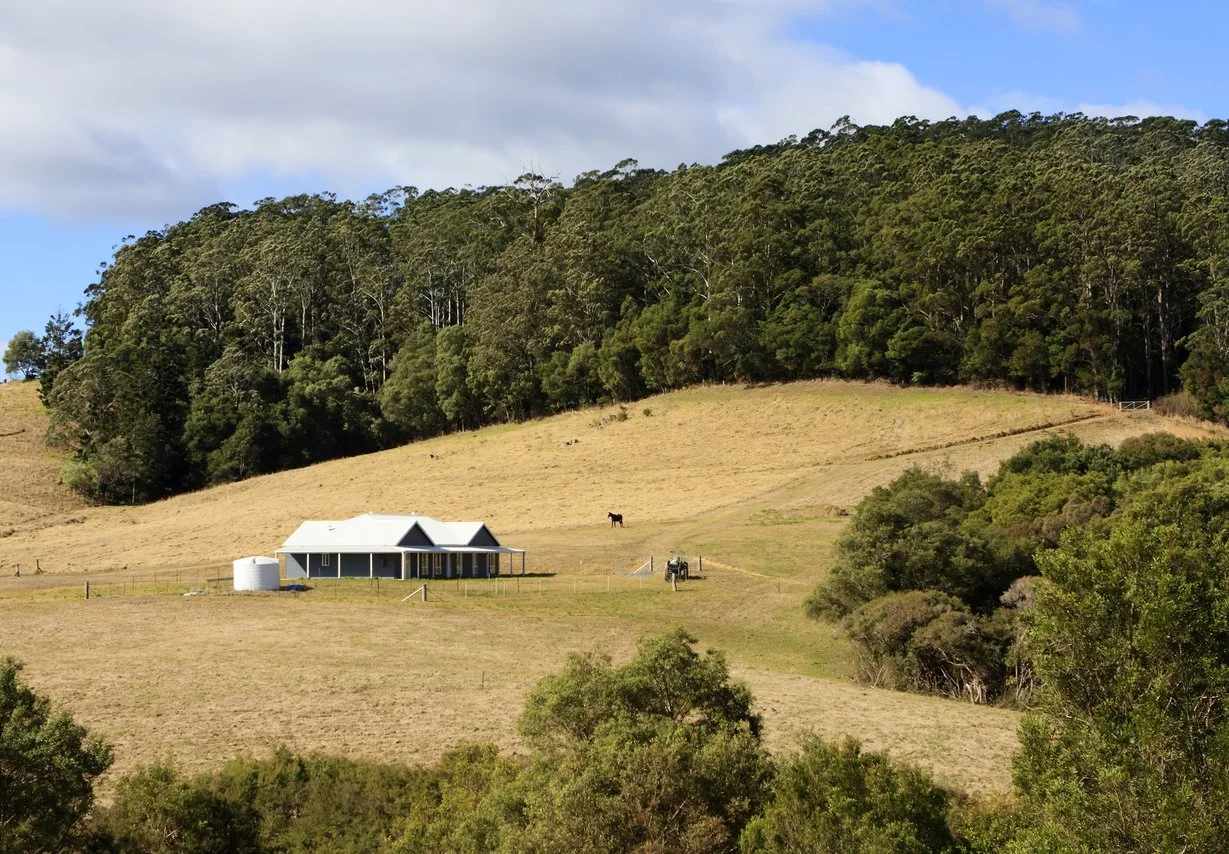
Purchasing a property to run cattle, sheep, or goats is an exciting step — but it’s also a major investment. Beyond the purchase price, it’s important to factor in the ongoing costs of running livestock and maintaining the property. Having some extra money set aside can make all the difference when unexpected expenses arise. Below are key considerations to guide your decision-making.

1. Decide What Livestock You Will Run
The first question to ask yourself is what livestock best suits your property and goals — cattle, sheep, or goats. Each species has different requirements for fencing, feed, infrastructure, and handling. Making this decision early will help you assess if a property is truly suitable.
2. Understand the Property’s History
Previous land use matters. Was the property used for grazing, cropping, or something else?
Historical use can impact soil fertility, weed burden, and biosecurity risks.
3. Assess Pastures and Feed
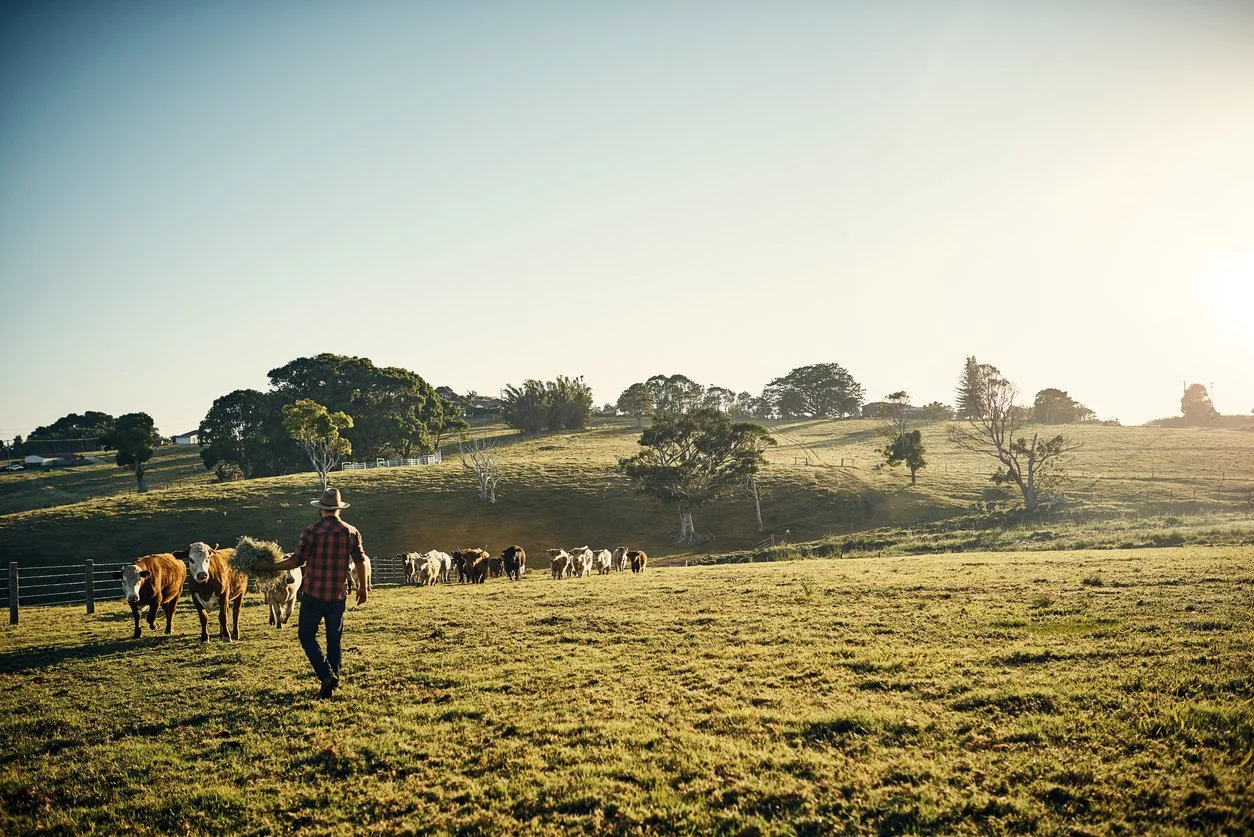
Walk the paddocks and check what pastures are present. Remember: not all green feed is palatable to livestock.
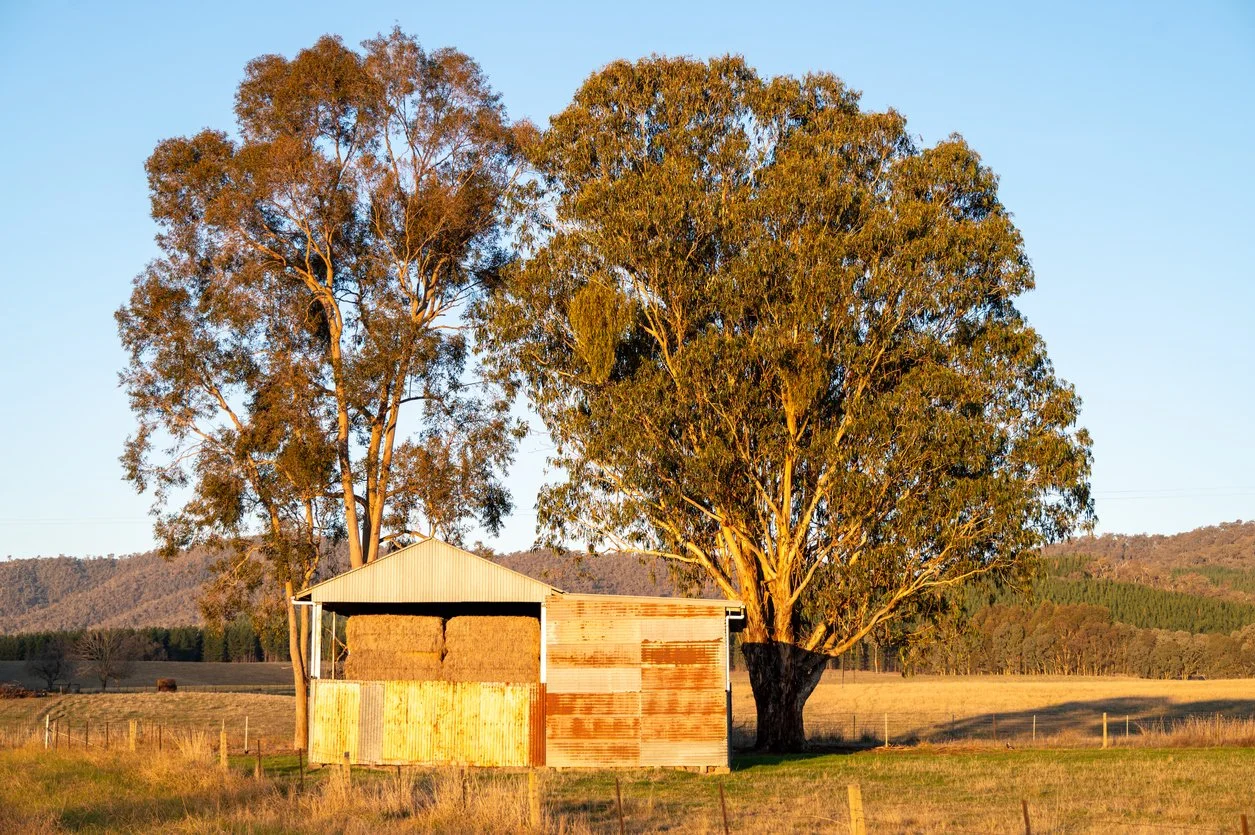
Consider whether there’s storage for hay or silage to get through drier months.
A smart strategy is to buy feed when it’s cheaper during the good months, rather than waiting for shortages.


4. Water Availability and Costs
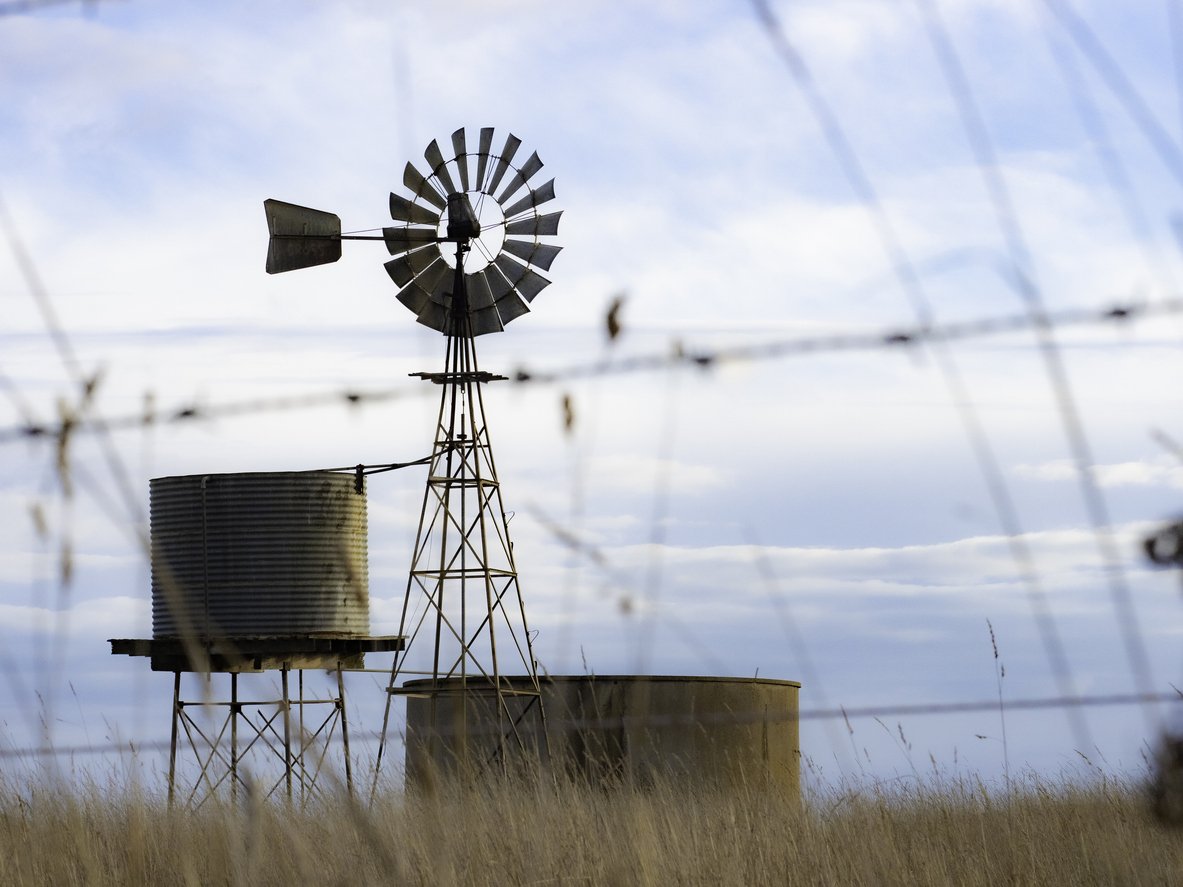
Check if the property has a water licence, metered bore, or other reliable sources.
Budget for potential water expenses, especially in drier regions where supply can be unpredictable.
5. Is the Property Set Up for Regenerative Farming?
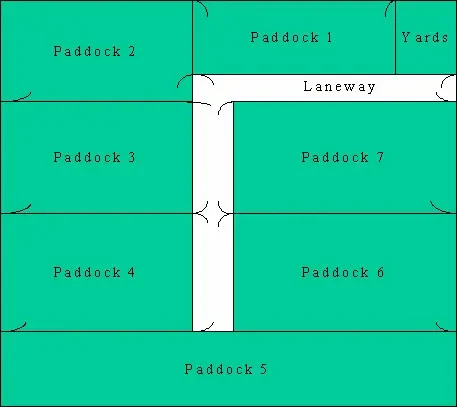
Smaller, more numerous paddocks allow rotational grazing, helping pastures recover and reducing overgrazing.
Look for fenced waterways and dams, which protect natural resources and support long-term sustainability.
6. Infrastructure and Fencing
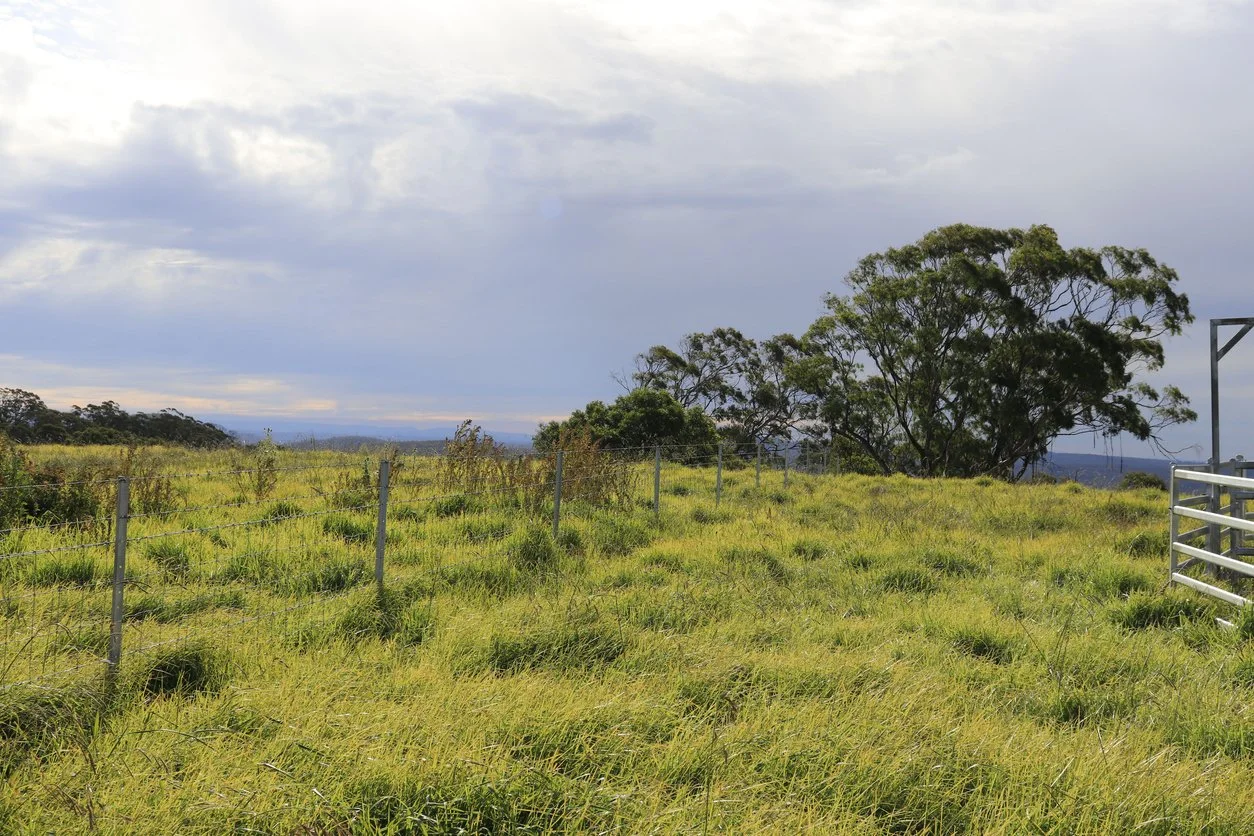
Fencing: Is it suitable for your chosen livestock?
Cattle require stronger, higher fencing.
Sheep and goats need tighter fencing with fewer gaps.
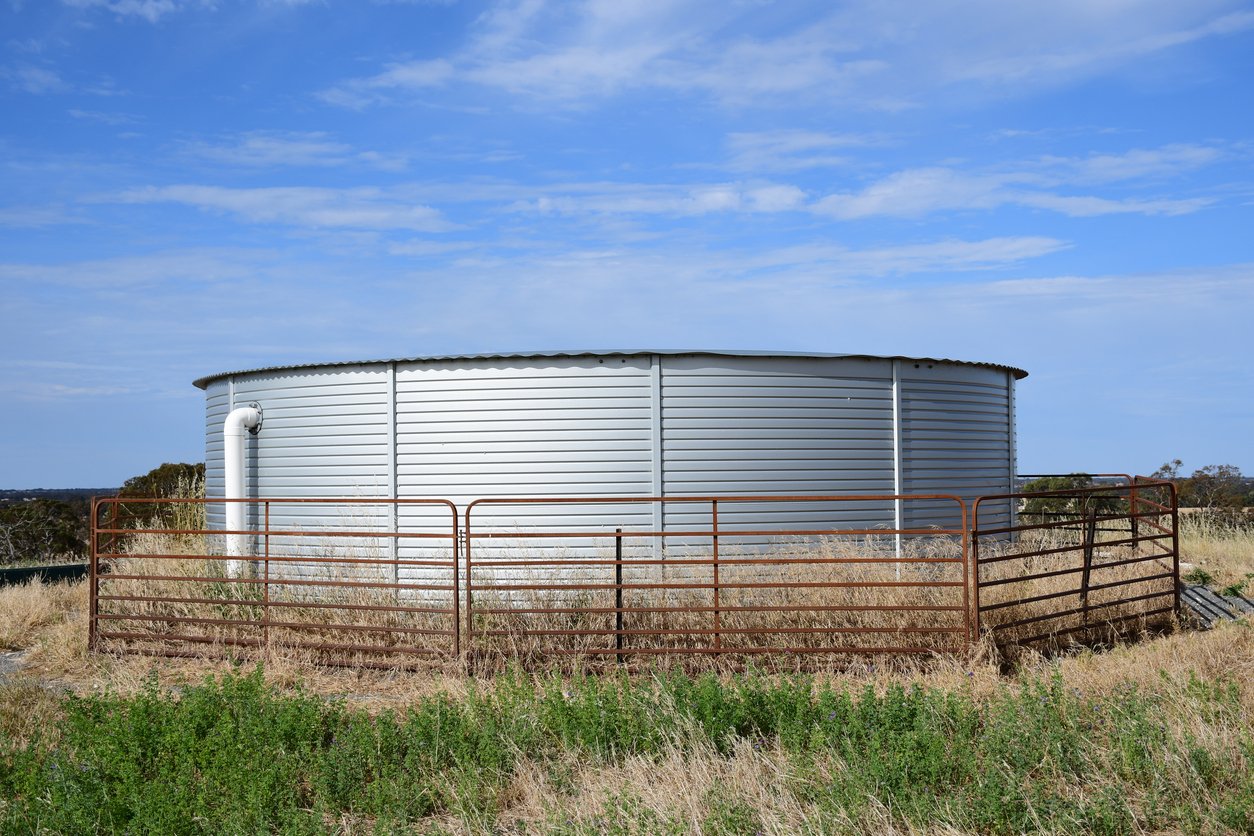
Water systems: Ensure there are water tanks and troughs positioned to provide reliable access across the property.
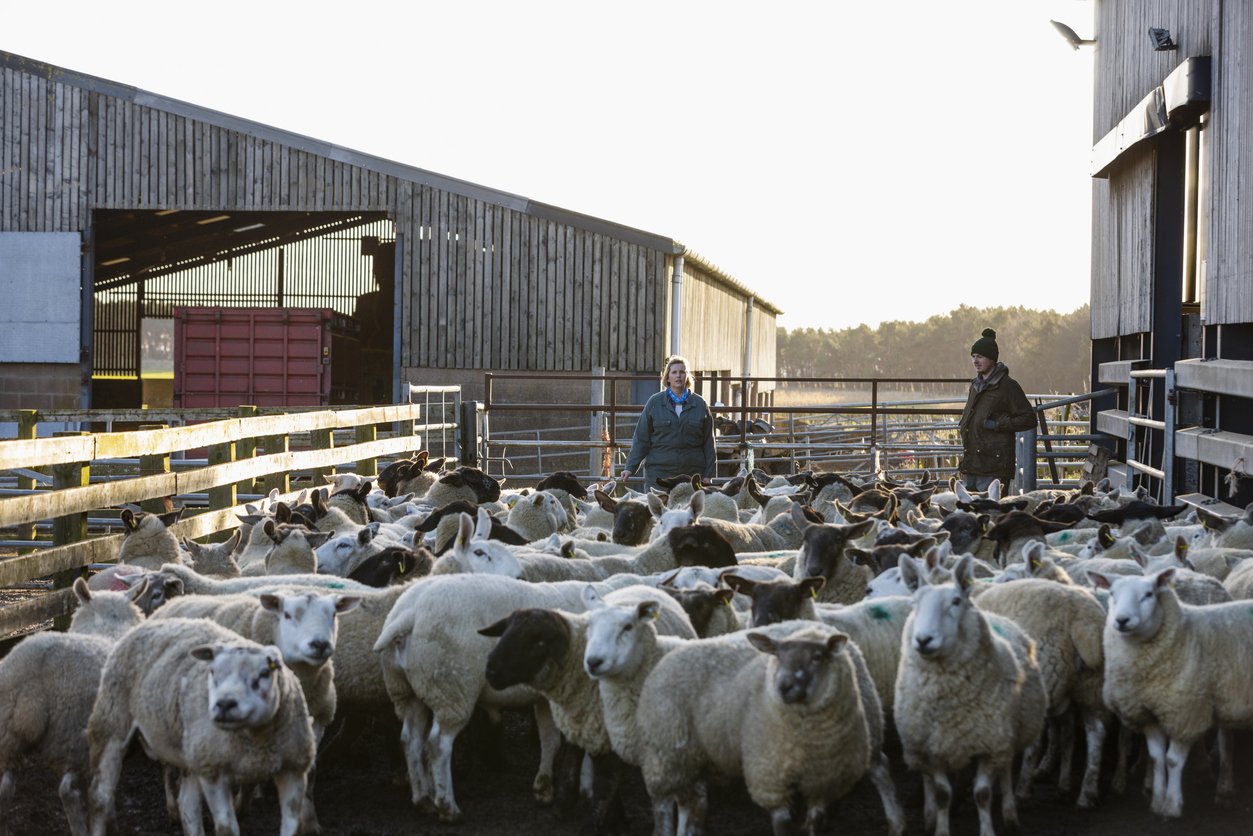
Yards and handling facilities: Good design is critical. Yards should be set up so animals flow naturally through them, minimising stress and the risk of injury. Safe design also reduces the risk of handlers getting hurt.
Consider whether existing infrastructure will meet your needs or require upgrades.


7. Insurance and Risk Management
Insure both the property and the animals to protect your investment.
Insurance can cover events such as fire, theft, or livestock loss.
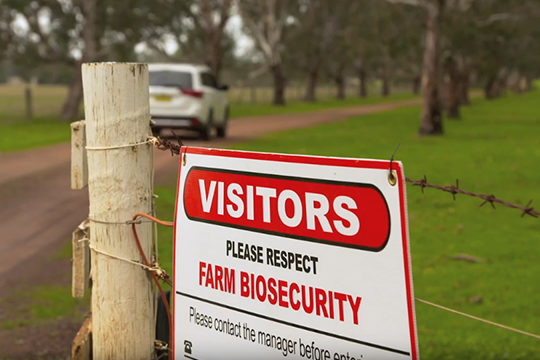
8. Neighbours and Biosecurity
What type of farming do your neighbours do?
Be mindful of issues like bulls or rams jumping fences, potential disease spread, and other biosecurity risks.
Supporting Links:
https://www.farmbiosecurity.com.au/industry/beef-cattle/
https://www.farmbiosecurity.com.au/industry/sheep/
9. Finance and Taxation
Ensure your finance structure qualifies you as a primary producer if that’s your goal.
Understand what expenses you can claim to maximise your returns. Good financial advice upfront will save you in the long run.
10. Don’t Forget Due Diligence
My biggest tip: if you put a property under contract, give yourself time to do your due diligence. Ask your solicitor to include a due diligence clause so you can thoroughly investigate water, infrastructure, pastures, and finance before settlement.
Final Thoughts
Buying a property for livestock isn’t just about the purchase price — it’s about ensuring the land, infrastructure, and financial setup align with your livestock goals. By planning ahead, asking the right questions, and keeping extra funds aside, you’ll be well positioned to make your investment a success.
Kind Regards,
Amanda Burchmann
Livestock Production & Industry Development Specialist
Founder | Advocate | Producer
Phone: 0408847536
Disclaimer:
The information provided in this article is true and correct to the best of my knowledge at the time of publication. It is intended for general guidance and informational purposes only. Readers are encouraged to verify any information and seek independent advice relevant to their individual circumstances, particularly where legal, financial, or regulatory compliance matters are concerned.