Suggested Upkeep for Your Livestock Property & Best Practices
Owning a property for livestock comes with more than just the initial setup. Ongoing upkeep is essential to protect your investment, keep your animals safe, and maintain compliance. Below are practical tips and best practices to help you manage your property effectively, along with some helpful reminders about where to seek advice or support.
1. Lock Up and Safety
Always secure gates, sheds, and equipment to prevent accidents and theft.
Keep laneways, loading ramps, and working areas clear of obstructions.
Maintain safe pathways for both people and animals to reduce the risk of injury.
2. Fencing and Boundaries
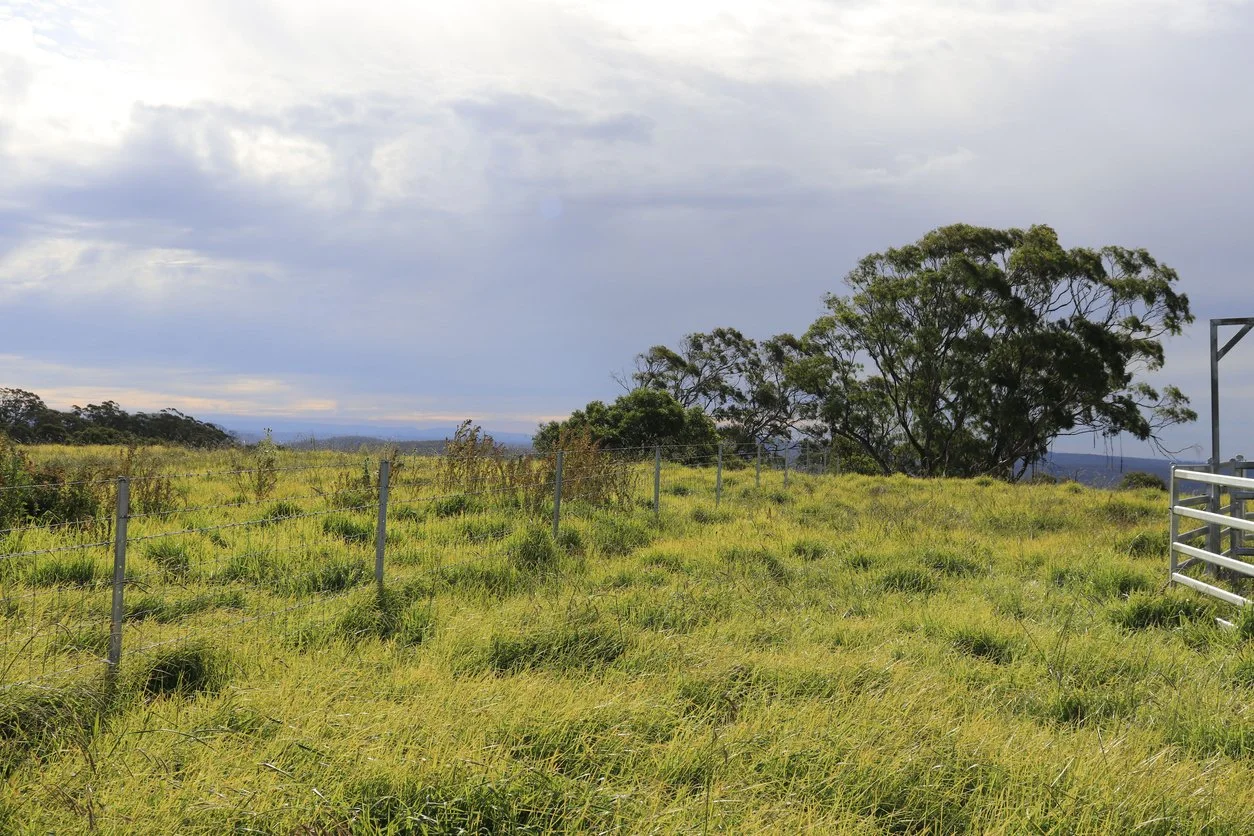
Regularly check fences to ensure they are strained, upright, and stock-proof.
Look for fallen branches, sagging wires, or loose posts that could allow animals to escape - restrain fences that are loose or sagging, trim reshoots and grass around fence lines.
A solid boundary fence is also your first line of biosecurity protection, keeping pest/feral animals out and your livestock in.
3. Water Access
Livestock must have easy and reliable access to clean water - fence water ways such as dams and pump water into tanks to feed into troughs.
Inspect troughs, tanks, and bores frequently to confirm they’re functioning properly.
In hot or dry periods, ensure ample reserves are available to avoid animal stress.
4. Property Oversight When Away
If you’re planning to be away for more than a couple of days, arrange for a trusted neighbour, contractor, or farm sitter to check both your property and your stock.
This ensures animal welfare obligations are met and gives peace of mind while you’re off-property.
5. Record Keeping
Maintain detailed records of:
Animal husbandry practices (vaccinations, treatments, breeding records including product name, does, batch number and expiry and withholding period - WHP).
Feed purchases and usage - ensure quality feed ask for a CVD for assurance.
Chemical applications and withholding periods.
Good record keeping supports compliance with LPA, NLIS, and biosecurity requirements - saves a lot of time if you get audited.

6. Biosecurity and Animal Welfare Plans
Have your Biosecurity Plan in place, tailored to your property risks and livestock type.
Develop and maintain an Animal Welfare Management Plan to ensure animals are cared for in line with best practice and industry standards.
Keep a Visitor Register so you know who has been on the property and can manage potential biosecurity risks.
7. Chemical Storage
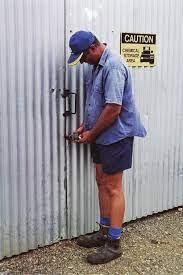
Ensure all chemicals are stored in a secure, ventilated area, clearly labelled and locked away from children and animals.
Keep an up-to-date chemical register for audits or inspections.
8. Weed and Pest Management
Regularly inspect paddocks for invasive weeds and address them early before they spread.
Stay on top of pest control, particularly feral pigs, foxes, and wild dogs, which can cause significant losses.
Report and work with neighbours and local landcare or biosecurity groups for coordinated control efforts.
Helpful Contacts to Keep on Hand
Local Veterinarian – for animal health advice and emergencies.
Biosecurity Officer / Local Land Services (LLS or DAF equivalents in your state) – for weed, pest, and compliance advice.
Rural Merchandise or Ag Store – for supplies and seasonal insights.
Neighbouring Landholders – for property checks, local knowledge, and support.
Insurance and Finance Providers – to review coverage and ensure your property and livestock remain protected.
Final Thoughts
Consistent upkeep of your property not only ensures animal welfare and compliance, but also protects your investment long-term. By combining routine checks with reliable records, safe infrastructure, strong biosecurity, and supportive local contacts, you’ll build a property that runs smoothly and sustainably.
Kind Regards,
Amanda Burchmann
Livestock Production & Industry Development Specialist
Founder | Advocate | Producer
Phone: 0408847536
Email: amanda@jabagrisolutions.com.au
Disclaimer:
The information provided in this article is true and correct to the best of my knowledge at the time of publication. It is intended for general guidance and informational purposes only. Readers are encouraged to verify any information and seek independent advice relevant to their individual circumstances, particularly where legal, financial, or regulatory compliance matters are concerned.