Essential Tools and Equipment for Small Producers
Setting Up for Success with Cattle, Sheep, or Goats
Running a mob of cattle, sheep, or goats is rewarding — but it also takes the right tools, equipment, and systems to keep your animals healthy, your property safe, and your operation compliant. For hobby farmers and small livestock producers, investing in a few practical implements makes day-to-day management easier, safer, and more productive.
Here’s a checklist of essentials to help you set up for success.
🐄 Identification & Compliance
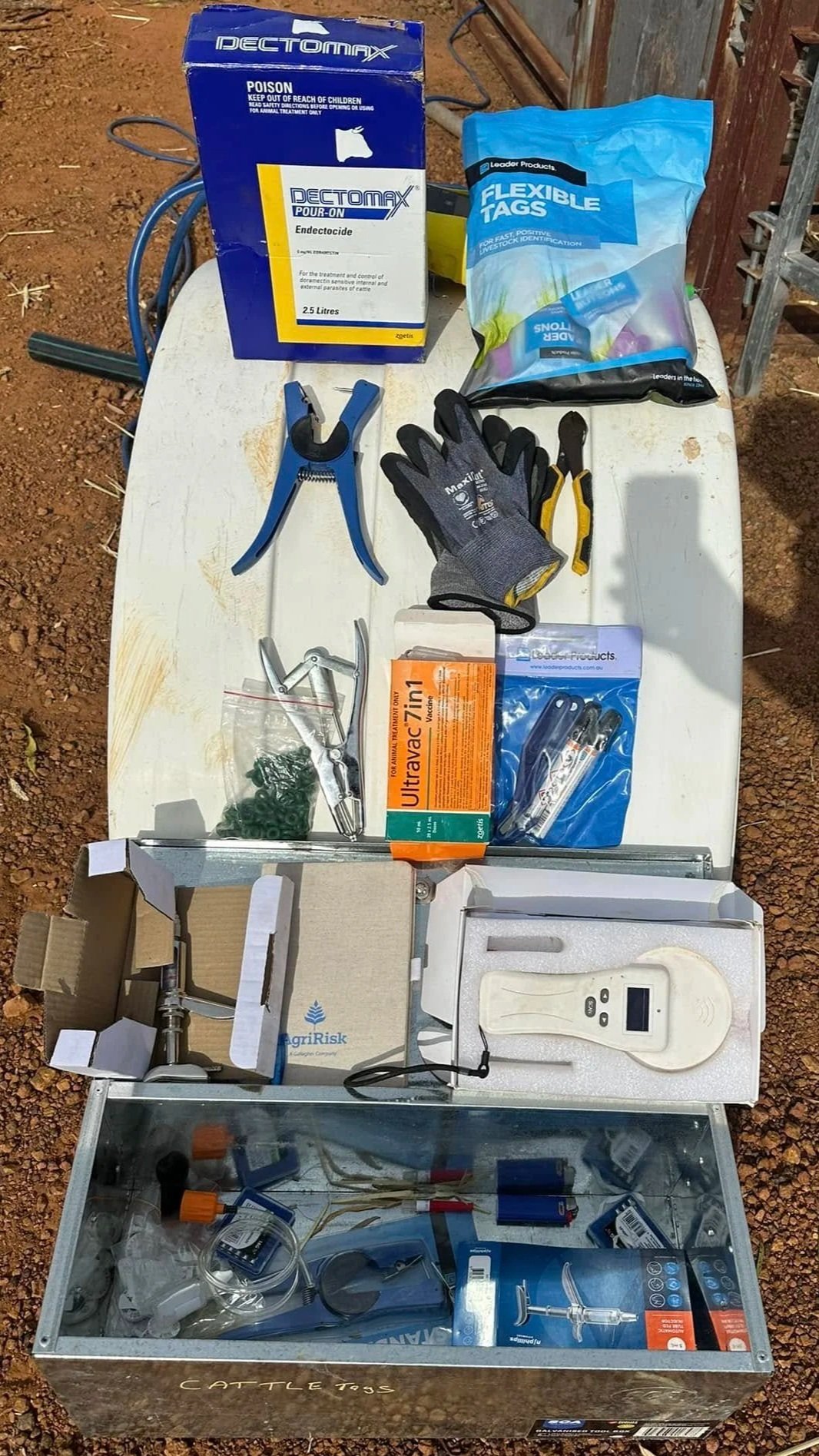
NLIS Tag Reader (Bluetooth/Wireless): A must-have to record and transfer livestock movements in line with national traceability standards.
Ear Tag Pliers: For applying both NLIS and property-specific tags.
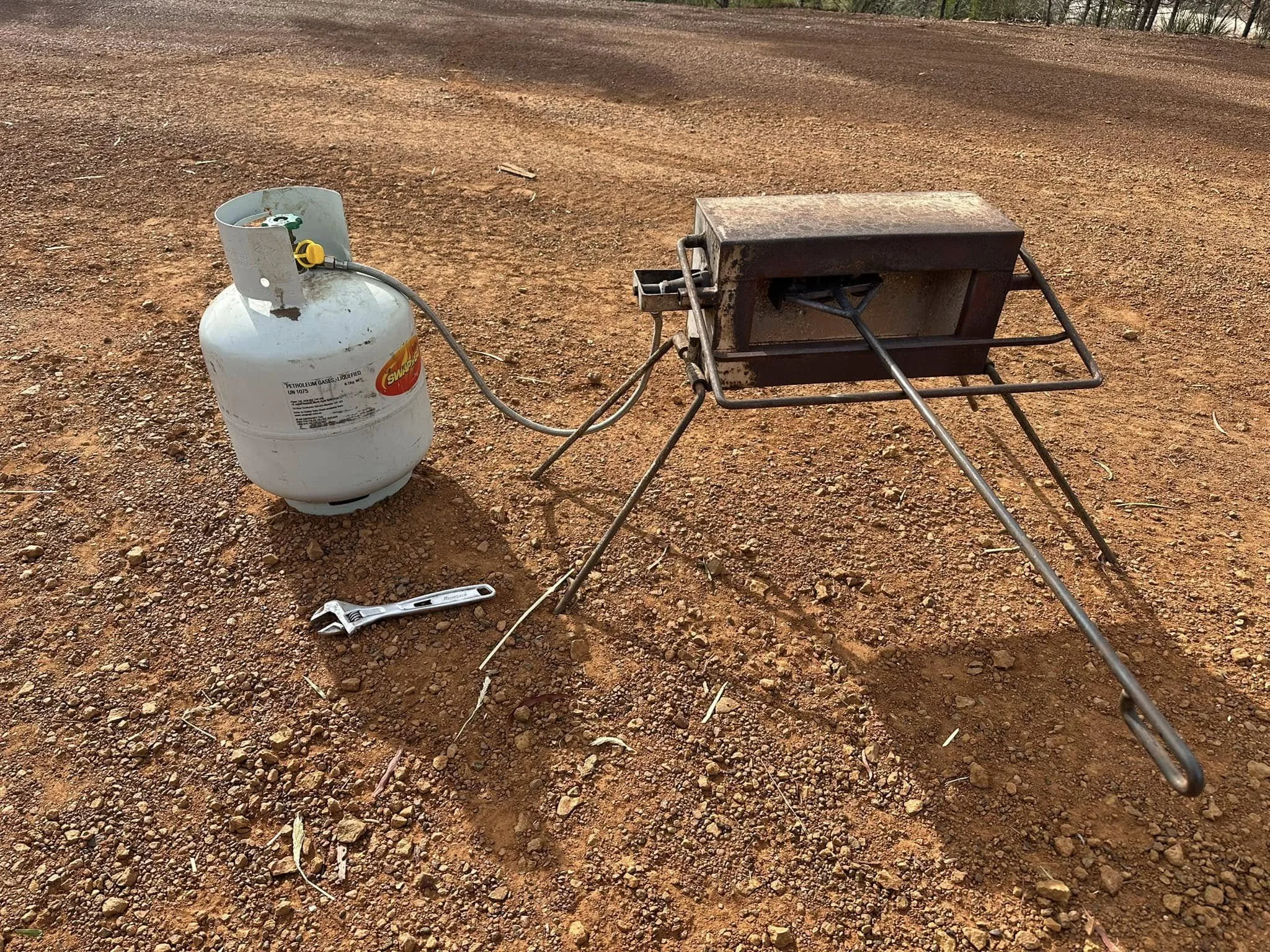
Branding Equipment & Furnace: Required in some states for cattle identification — check your local regulations.
⚖️ Handling & Infrastructure
Weight Scales: Track animal performance, growth rates, and sale readiness.
Cattle Crush / Sheep & Goat Handling Systems: A correctly designed crush with safe yard flow ensures smooth handling, reduces stress, and protects both animals and handlers.
Loading Ramp: Built to industry standards for safe, efficient livestock transport.
💉 Animal Health & Husbandry
Drenching Guns (Pour-on & Injectable): For parasite control and animal treatments.
Vaccination Guns: To maintain herd or flock health through regular vaccinations.
Sharp Knife: An everyday tool for routine tasks.
First Aid Kit (Human & Animal): Accidents happen — having a stocked kit on hand is non-negotiable.
Gloves: Always wear gloves when using chemicals including pour drenches as you can get very sick from the chemicals.
🛠️ Property & Maintenance
Fencing Pliers & Strainers: To keep fences tight, stock-proof, and safe.
Chainsaw: Useful for clearing trees, fence repairs, and general property upkeep.
Water Infrastructure: Tanks, troughs, and reticulation systems for reliable stock water.
💻 Record Management & Business Tools
Compliance and profitability come down to good records. A reliable record management system should cover:
Animal Husbandry: Treatments, vaccinations, drenching, and breeding history.
Feed & Nutrition: Purchases, storage, rations, and seasonal adjustments.
Chemical Use: Application records, withholding periods, and storage.
Paddock & Property Movements: Stocking rates, rest periods, and grazing rotations.
Costings & Budgets: Templates and tools to track income, expenses, and enterprise performance.
This can be as simple as a spreadsheet when starting out — or a dedicated livestock software platform that integrates with NLIS and LPA systems. The best tool is the one you’ll use consistently.
✅ Building Your Toolkit Step by Step
Not every piece of equipment needs to be bought on day one. Start with the core essentials: safe yards and handling equipment, basic health gear, and a system for tagging and record keeping. Then build your toolkit as your herd or flock (and your confidence) grows.
Kind Regards,
Amanda Burchmann
Livestock Production & Industry Development Specialist
Founder | Advocate | Producer
Phone: 0408847536
Email: amanda@jabagrisolutions.com.au
Disclaimer:
The information provided in this article is true and correct to the best of my knowledge at the time of publication. It is intended for general guidance and informational purposes only. Readers are encouraged to verify any information and seek independent advice relevant to their individual circumstances, particularly where legal, financial, or regulatory compliance matters are concerned.