Ground cover first: why grazing management starts with what animals eat
Healthy ground cover is the engine of a grazing business. Keep it high and you bank water, protect soil, grow roots, and regrow grass faster. Let it slip and you trade short-term kilos for long-term productivity. As a rule of thumb, aim to maintain >50% ground cover year-round (higher heading into storms) and leave enough leaf to fuel regrowth.
How much do animals actually eat? (dry matter basis)
Species (example liveweight)
Typical intake % BW
Example kg DM/day*
Cow – 450 kg (dry)
2.0–2.5%
9–11
Sheep – 70 kg ewe (dry)
2.5–3.0%
1.8–2.1
Goat – 50 kg (dry)
3.0–4.0%
1.5–2.0
* Increase intake 10–30% for growth, late pregnancy, or lactation; reduce in heat or low-quality feed.
What “kg DM/day” means
DM = Dry Matter. It’s the feed minus water.
kg DM/day = the kilograms of dry matter an animal eats per day.
We use DM so different feeds (wet pasture vs dry hay) can be compared fairly.
Why it matters: those kilos must come from pasture (or supplement). If pasture can’t supply them without dropping ground cover below safe levels, you’re mining the paddock.
Why ground cover is profit insurance
Water capture: Covered soil infiltrates more rain, grows more feed per millimetre.
Soil protection: Less erosion and organic matter loss; cooler soil means better microbial activity.
Weed pressure: Dense cover and residual leaf out-compete weeds.
Carbon & roots: Deeper, denser roots store carbon and pull up nutrients and moisture—your drought buffer.
Recovery speed: More residual leaf = faster regrowth after grazing or rain.
Species nuances that affect cover
Cattle: Bulk grazers; match numbers to feed on offer and move before residual is scalped.
Horses: Close grazers; create lawns—protect with larger areas or designated sacrifice paddocks to save the rest.
Sheep: Efficient, selective; watch hot-spots on short feed.
Goats: Browse helps manage woody plants, but they’ll strip green pick if left too long.
Lush vs dry feed (why intake changes)
Lush, leafy pasture: higher digestibility → higher voluntary intake (cattle can push toward ~3% BW); watch fibre—add roughage if scouring.
Dry, stemmy pasture: slower passage, lower protein → lower intake (often ~1.5–2% BW). Supplement may be needed to keep rumen bugs working (e.g. protein/energy).
Cattle/sheep/goats: protein meals or safe NPN (Non Protein Nitrogen) licks (managed carefully).
Horses: no urea/NPN—use true protein/forage.
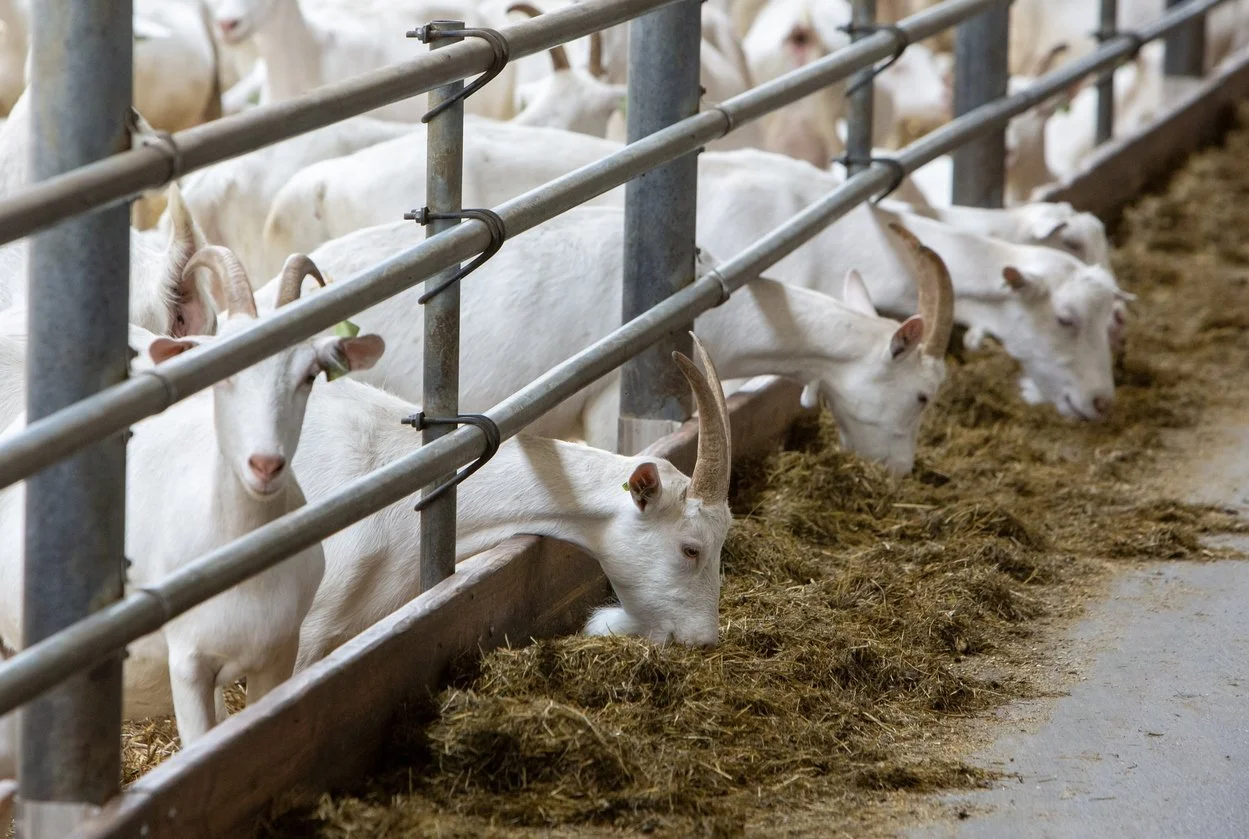
What NPN licks are
NPN = non-protein nitrogen, usually urea (sometimes biuret) mixed in a loose lick or block with salt, sulfur and minerals.
For ruminants only (cattle, sheep, goats). Never for horses or young calves with an undeveloped rumen.
What they do
Supply nitrogen to rumen microbes (not true protein to the animal).
On dry, low-protein roughage, microbes use NPN plus fermentable energy to make microbial protein, improving fibre digestion, intake, and weight maintenance.
When they work / don’t work
Work best: dry season when standing feed is low in crude protein but there’s plenty of roughage.
Little benefit: lush, high-protein green feed (nitrogen isn’t limiting).
Don’t use: when there’s not enough energy/roughage (hard drought) or where horses can access.
Safety essentials
Introduce gradually and control intake (use salt and placement).
Always provide constant roughage and water; never offer to hungry or thirsty stock.
Include sulfur (target N:S around 10:1) to support microbial protein synthesis; manage phosphorus separately on P-deficient country.
Urea overdose can cause ammonia toxicity—follow label directions and exclude horses.
NPN vs other feeding
Supplementary feeding: designed to maintain body weight and condition; NPN licks fit here on dry feed.
Production feeding: designed to increase body weight and size; needs energy and true protein—NPN alone won’t drive growth.
Economic lens
Use NPN to cheaply lift utilisation of dry standing feed and hold condition.
For growth targets, compare cost per kg gain from higher-energy/protein feeds with expected price premium or earlier turn-off.
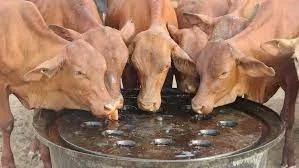
Supplementary vs production feeding (clear definitions)
Supplementary feeding: goal = maintain weight/condition and protect pasture (fill gaps in energy/protein/minerals). Think dry lick, hay, strategic grain to hold condition.
Production feeding: goal = increase weight/size (target ADG). Higher energy/protein rations, feedlot or paddock finishing, with correct fibre, buffers and step-up.
Stocking rate and carrying capacity
Getting stocking rate and carrying capacity right is the backbone of profitable, resilient grazing. Stocking rate is what you choose to run on the ground over a set period; carrying capacity is what the land can sustainably support over a typical 12 months without degrading soil, ground cover, or land condition. Mixing them up leads to overgrazing in good years and missed opportunity in average ones. The goal is simple: match stocking rate to carrying capacity, then adjust quickly with the season so animals perform, country holds its cover, and your business stays in front.
Stocking rate (SR)
The number of animals (or Adult Equivalents) actually run on a given area for a defined period.
Example: 80 AE on 1,000 ha for 6 months = 0.08 AE/ha over that period.
Formula: SR = animals ÷ area ÷ time.
Carrying capacity (CC)
The number of animals (AE) an area can sustainably run on average over 12 months without degrading land condition, soil, or ground cover. It’s driven by long-term feed supply, rainfall and land condition.
Unit: AE/ha/year (or LSU/ha/year).
How to think about it
SR is what you are running; CC is what the country can sustainably support.
If SR > CC, you cruel country; if SR < CC, you leave profit on the table. Aim to align SR with CC, adjusting for season and ground cover.
Bottom line
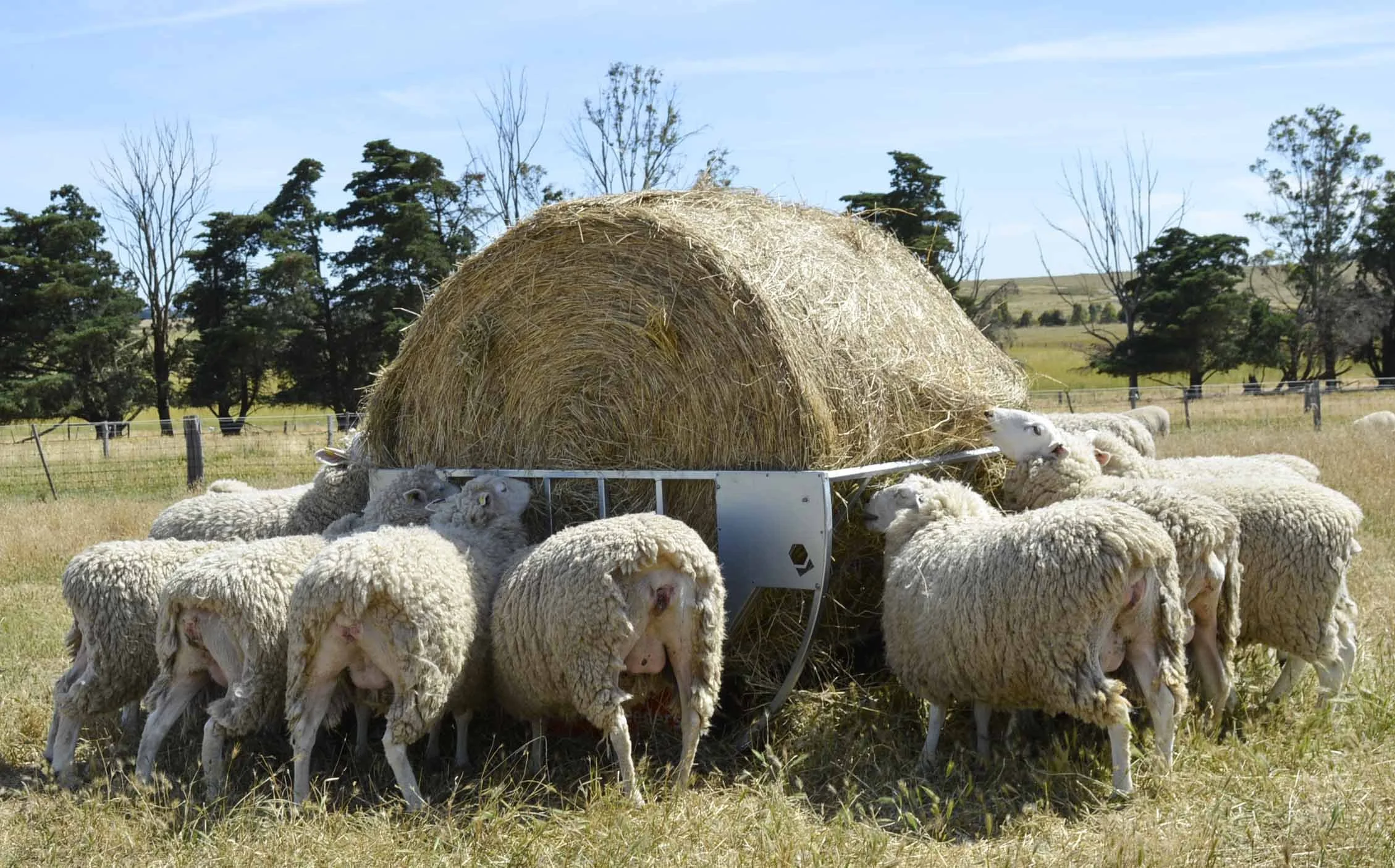
Set stocking rates from intake needs, feed on offer, and a hard floor of ≥50% ground cover. Capitalise on higher intake when pasture is lush (with adequate fibre); when it’s dry, expect lower intake and either supplement or reduce grazing pressure to protect cover and long-term productivity.
Match mouths to grass: start with intake (kg DM/day), check pasture supply (kg DM/ha) and safe utilisation, and let the numbers set stocking and timing. Do this consistently to lift animal performance and grow more grass next season—compounding gains, not borrowing from the future. Track cover with simple tools, such as photo points and Cibo Labs’ satellite maps, so you know when to shift, destock, or supplement.
Kind Regards,
Matt Brown
Livestock Production Specialist and Facilitator
Email: consulting@jabagrisolutions.com.au
Disclaimer:
The information provided in this article is true and correct to the best of my knowledge at the time of publication. It is intended for general guidance and informational purposes only. Readers are encouraged to verify any information and seek independent advice relevant to their individual circumstances, particularly where legal, financial, or regulatory compliance matters are concerned.