101 Cattle Care Essentials
Protecting Your Herd, Your Land, and Our Industry
Raising healthy, productive cattle isn’t just about feeding and watering them — it’s about understanding what drives their health, behaviour, and performance year-round. For small producers and hobby farmers, mastering the basics of animal husbandry is one of the most powerful steps you can take to protect your animals, your property, and the wider livestock industry.
1. Vaccination – Preventing the Preventable
In Australia’s variable climate, cattle are exposed to a range of diseases that can strike quickly and spread fast. Vaccinating protects your herd from conditions like:
Three-day sickness (Bovine Ephemeral Fever) – a viral disease spread by biting insects, causing fever, stiffness, and lameness. If untreated, animals may go down and struggle to recover.
Clostridial diseases (e.g. blackleg, tetanus, pulpy kidney) – often fatal but easily prevented with a 5-in-1 or 7-in-1 vaccine.
Tick fever – especially important in northern regions where ticks are active; use the tick fever vaccine before moving animals into risk areas.
Why it matters:
Prevention is always cheaper and more humane than treatment. A simple vaccine can save hundreds of dollars per head and protect against losses that can ripple across your property.
Tip: Record every vaccine in your logbook or compliance system (e.g. LPA or your biosecurity plan). It’s not only best practice — it’s required for traceability. Always reach out to your neighbours, local livestock agent and/or veterinarian for any concerns or to stay up to date.
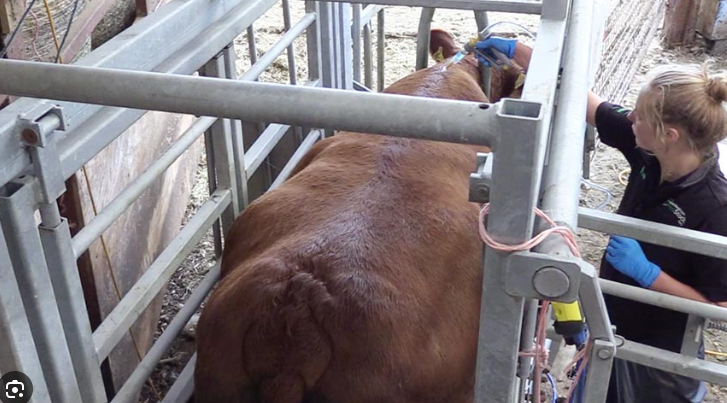
2. Drenching and Parasite Control – Keeping Cattle Performing
Internal parasites (worms) and external parasites (lice and ticks) can quietly erode animal health, reducing weight gain, fertility, and immunity. Cattle infested with worms often look “poor,” lose condition despite feed, and are more susceptible to disease.
Why it matters:
Australia’s warm and sometimes humid conditions create ideal environments for parasites.
Strategic drenching at weaning and before major seasonal changes helps break the life cycle.
Rotating drench types prevents resistance build-up.
Tick control is vital in coastal and northern zones — tick fever and anaemia can devastate herds.
Tip: Observe manure consistency, coat shine, and body condition as indicators. If cattle appear “wormy” or slow to put on weight, a faecal egg count test can confirm the problem before you drench unnecessarily.
3. Castration, Dehorning, and Pain Relief – Safe, Humane Management
These are necessary husbandry tasks that make cattle easier and safer to manage, reduce injuries to other animals, and improve carcass quality at sale.
Why it matters:
Castration reduces aggression towards each other, prevents unwanted breeding, safety of handlers and damage to infrastructure.
Dehorning prevents injuries and bruising in transport or yards to both the animal and handler.
Using pain relief (such as NumOcaine or Buccalgesic) is now recommended — and in many cases required — under the Australian Animal Welfare Standards and Guidelines for Cattle.
Tip: Do these procedures early (under six months) to reduce stress and recovery time. Work calmly, use clean gear, and ensure animals have access to water and shade afterwards - if you are not trained to do so always consult with your veterinarian.
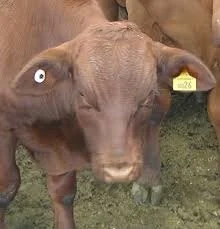
4. Identification and Record Keeping – Traceability and Biosecurity
Every animal should have an NLIS ear tag linked to your Property Identification Code (PIC). This system tracks livestock movements across Australia, helping contain outbreaks like lumpy skin disease or foot-and-mouth if they ever reach our shores.
Why it matters:
Traceability underpins Australia’s clean, green export reputation. It’s also essential for meeting your LPA (Livestock Production Assurance) and biosecurity obligations.
Tip: Keep a simple record of all treatments, births, deaths, and sales. Whether you use a notebook, spreadsheet, or compliance app, consistent records protect your business and build confidence if you’re audited or selling stock.
5. Nutrition and Supplement Feeding – Fuel for Health and Growth
Even in good seasons, pastures alone may not always provide the right balance of energy, protein, and minerals. During dry periods or winter, grass quality drops — it may look abundant but lack nutritional value.
Why it matters:
Cattle still need energy to graze, regulate body temperature, and maintain immune function. Without adequate nutrition, they lose condition quickly and can stop grazing altogether.
Supplement feeding provides that extra boost when natural feed quality declines. Options include:
Hay or silage – bulk roughage for rumen health.
Protein meals or lick blocks – stimulate appetite and grazing in dry times.
Mineral supplements – correct deficiencies like phosphorus in northern pastures or selenium in southern zones.
Tip: Always introduce supplements gradually and monitor consumption. Overfeeding protein or energy blocks can cause digestive issues, so balance is key. Your local feed supplier or nutritionist can help tailor a plan to your pasture and cattle type.
6. Poisonous Weeds and Paddock Safety – Prevention Saves Lives
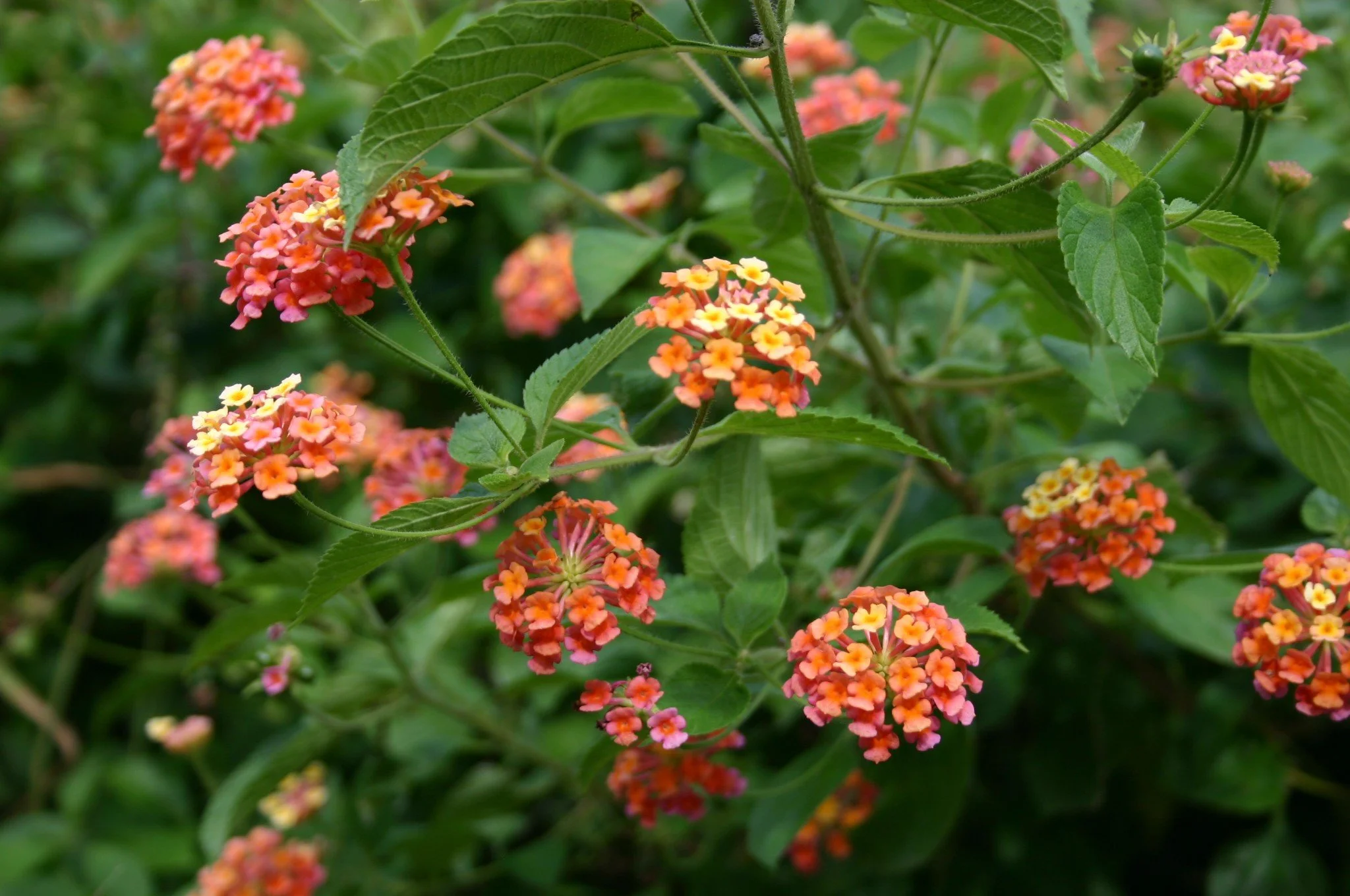
Cattle are curious grazers. In times of feed shortage or new growth after rain, they may eat toxic weeds such as lantana, fireweed, or mother-of-millions. Some toxins attack the liver, while others cause paralysis or death.
Why it matters:
Identifying and managing weeds is part of both land stewardship and biosecurity.
Maintain fences to prevent access to problem areas.
Learn local toxic plant species — your Landcare group, council, or DPI can help identify them.
Avoid slashing or baling known infested paddocks for hay.
7. Heat Stress and Seasonal Management – Welfare Under the Sun
Cattle can overheat quickly, especially in northern and inland regions. Signs include panting, drooling, reduced grazing, or animals standing bunched in shade.
Why it matters:
Heat stress affects feed intake, fertility, and overall welfare. Extreme heat can lead to dehydration and death if unmanaged.
Tip:
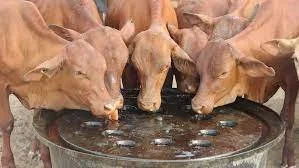
Provide reliable water sources — cattle can drink up to 80 litres per day in summer.
Offer shade and shelter (trees, windbreaks, or shade structures).
Avoid mustering or yard work in the middle of the day.
8. Biosecurity – The Front Gate is Your First Line of Defence
Biosecurity isn’t just for big properties — it’s for every producer, no matter the herd size. It’s about protecting your animals and your neighbours from pests, weeds, and disease.
Why it matters:
One infected animal, contaminated truck, or unclean set of boots can bring disease onto your property.
Tip:
Isolate new or returning animals for at least 7–10 days.
Always check PIC numbers and NLIS movements.
Approve personnel onto your property and use a visitor register.
Use separate gear for visitors or disinfect after use.
These small actions safeguard not only your herd but Australia’s entire livestock industry.
Final Word
Every healthy calf or cow on your property is a reflection of your management. By combining strong animal husbandry with good records, nutrition, and biosecurity, you’re not just caring for your own animals — you’re supporting the sustainability and reputation of the Australian red meat industry.
If you’d like to learn more about implementing these practices hands-on, our Livestock Production Essentials Workshop Series dives deep into the “how” — from animal care and compliance to nutrition planning and risk management — all tailored for small producers and hobby farmers across Australia.
Resources and useful links:
Workshop link: https://www.jabagrisolutions.com.au/events-2-1
Paraboss: https://paraboss.com.au/annual-program/
Zoetis: https://www2.zoetis.com.au/products-solutions/beef-cattle/
Future Beef: https://futurebeef.com.au/resources/husbandry/
ISC - LPA Record Management : chrome-extension://efaidnbmnnnibpcajpcglclefindmkaj/https://www.integritysystems.com.au/globalassets/isc/pdf-files/lpa-documents/lpa-records-templates/210820-lpa-record-keeping-booklet-form.pdf
Kind Regards,
Amanda Burchmann
Livestock Production & Industry Development Specialist
Founder | Advocate | Producer
Phone: 0408847536
Email: amanda@jabagrisolutions.com.au
Disclaimer:
The information provided in this article is true and correct to the best of my knowledge at the time of publication. It is intended for general guidance and informational purposes only. Readers are encouraged to verify any information and seek independent advice relevant to their individual circumstances, particularly where legal, financial, or regulatory compliance matters are concerned.