Sheep and Goat Care Essentials
Protecting Your Flock, Land, and Livelihood
Sheep and goats are hardy, adaptable animals — but they’re also vulnerable to parasites, disease, and nutrition shortfalls if not managed carefully. Whether you run a small flock for meat, fibre, or lifestyle, good husbandry protects your animals, your land, and the biosecurity of your region.
1. Vaccination – Building Immunity and Preventing Losses
Just like cattle, sheep and goats rely on vaccination for protection against common and often fatal diseases.
In Australia, the 5-in-1 vaccine is standard — it protects against:
Tetanus
Black disease
Pulpy kidney
Blackleg
Malignant oedema
Producers in high-risk areas may also use the 6-in-1 or 7-in-1 vaccines for broader coverage, or specific vaccines such as:
Erysipelas arthritis (in lambs and kids)
Cheesy gland (CLA) in older sheep
Ovine Johne’s disease (OJD) in endemic zones
Why it matters:
These diseases can strike suddenly, often without warning. Vaccination prevents painful deaths and helps maintain flock productivity.
Tip: Always follow label directions and keep cold chain storage (refrigeration) consistent. Record treatments under your LPA and NLIS obligations for traceability.
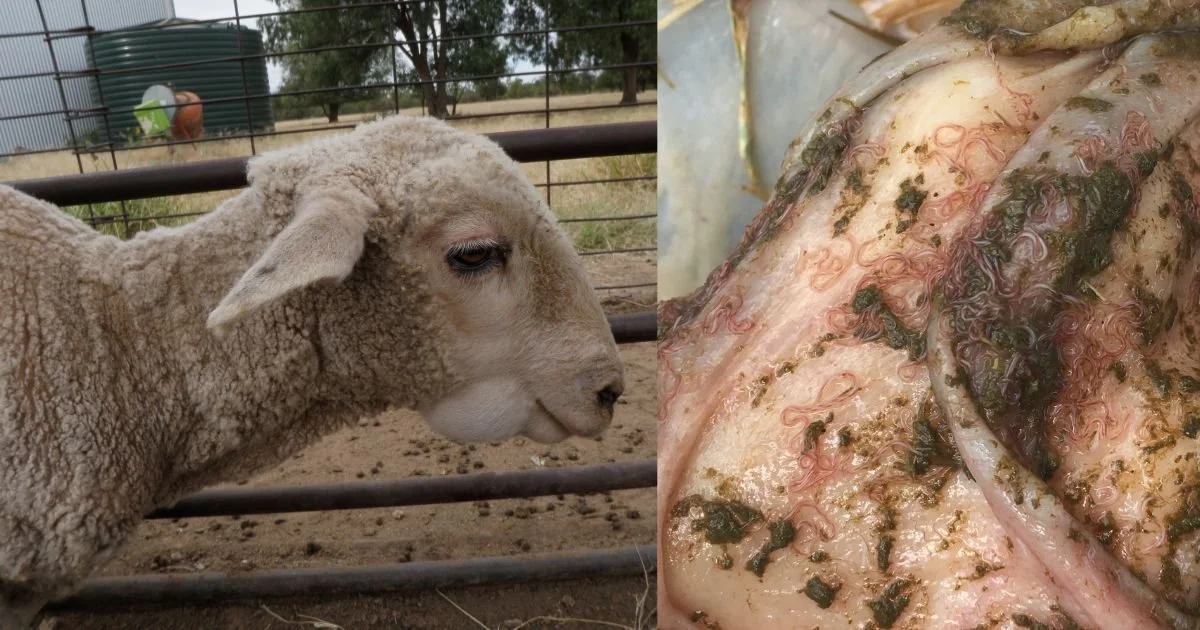
Barbers pole worm in a sheep
2. Drenching and Parasite Management – The Silent Profit Killer
Internal parasites are the biggest health and production challenge in sheep and goats. Barbers pole worm, black scour worm, and liver fluke thrive in warm, moist conditions — exactly what much of Australia experiences.
Why it matters:
Worm burdens lead to anaemia, scouring, poor growth, and death. Barbers pole worm in particular can wipe out a flock in days during wet summers if unmanaged.
Tips for control:
Use faecal egg counts (FEC) before drenching — don’t drench blindly.
Rotate chemical classes to slow resistance.
Provide clean, low-grazing paddocks for weaners and vulnerable animals.
Goats, in particular, have lower natural resistance to worms than sheep, meaning they often require more frequent monitoring and treatment.
External parasites like lice and blowflies also need attention. Use shearing, crutching, and fly control products strategically, especially in wet or humid months.
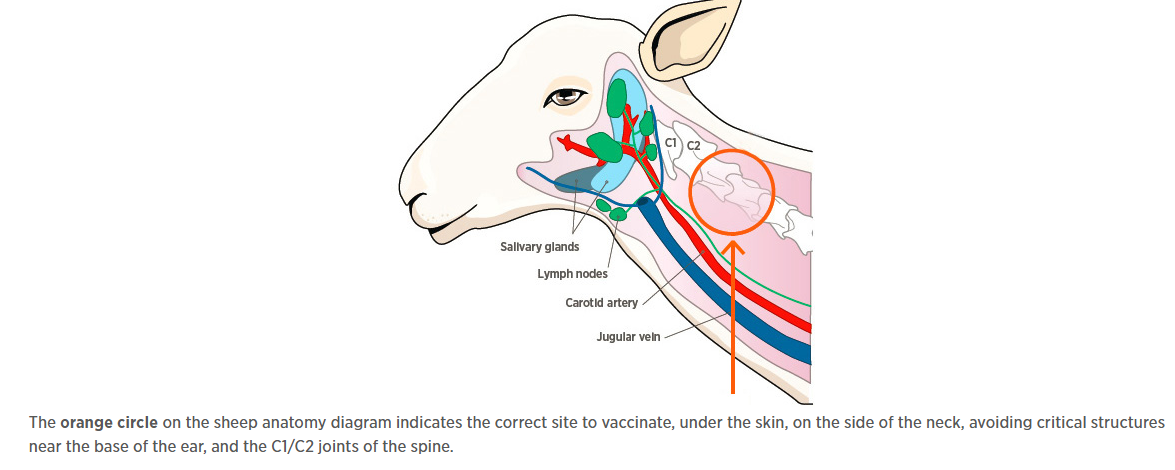
3. Marking, Castrating, and Pain Relief – Welfare and Management
Routine husbandry such as tail docking, castrating, and ear marking/tagging are essential for identification and animal welfare.
Why it matters:
Tail docking reduces flystrike risk in sheep by keeping the breech area clean.
Castration reduces aggression and unwanted breeding.
Pain relief products are now widely available and strongly recommended under the Australian Animal Welfare Standards for Sheep and Goats.
Tip:
Perform these tasks early (ideally before 12 weeks of age) using clean tools and good restraint. Always apply registered pain relief such as NumOcaine or Buccalgesic.
Important: If you are not trained or confident to perform these procedures, always consult a qualified veterinarian or local livestock agent for guidance and support.
4. Identification and Record Keeping – Compliance Builds Confidence
Both sheep and goats must carry an NLIS tag to enable traceability across Australia. This helps control disease outbreaks and supports market access.
Why it matters:
Traceability protects your enterprise and the national industry from biosecurity threats like foot-and-mouth disease or lumpy skin disease.
Tip:
Record all movements, treatments, and sales through the NLIS database.
Ensure your Property Identification Code (PIC) details are current.
Keep treatment and vaccination records for at least 7 years under LPA requirements.
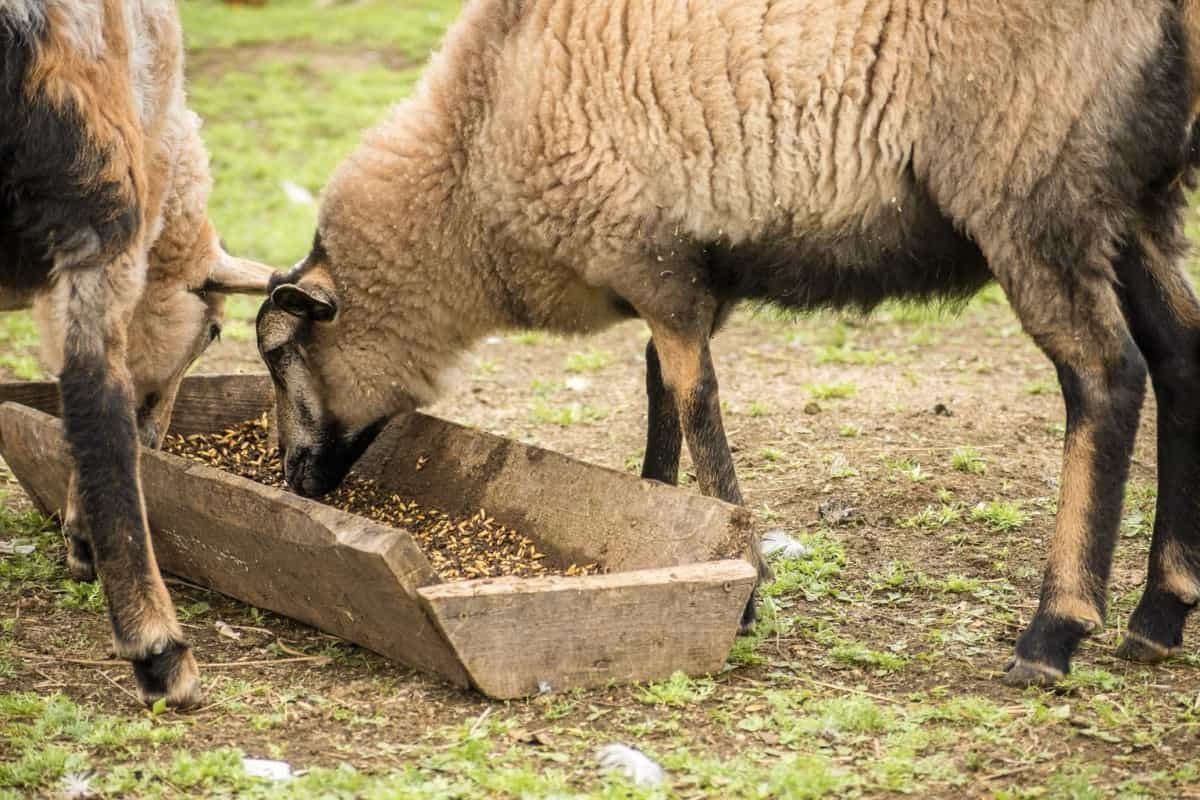
5. Nutrition and Supplement Feeding – Balancing Energy and Minerals
Sheep and goats need a mix of energy, protein, fibre, and minerals to thrive — and in Australia’s variable seasons, pasture alone often can’t provide it all.
Why it matters:
During dry times, droughts, or winter, pasture quality drops sharply. Without supplementation, animals can lose condition, stop cycling, and become more prone to worms or disease.
Supplement options include:
Good quality hay or roughage to maintain rumen function.
Grain rations (introduced slowly to avoid acidosis).
Protein meals or licks (cottonseed meal, lupins, or urea-based blocks) to stimulate appetite and energy for grazing.
Mineral supplements (particularly calcium, phosphorus, and selenium) to fill regional deficiencies.
For goats: browse shrubs and trees are natural parts of their diet — allowing mixed forage access improves their nutrition and reduces boredom.
Always consult your veterinarian, feed supplier, or nutritionist before making major changes to diet or feeding systems.
6. Grazing and Pasture Management – Understanding Mixed Species Impacts
Running sheep, goats, and cattle together can have benefits — and risks.
Benefits: goats help control woody weeds and browse shrubs cattle avoid; sheep can graze lower, maintaining pasture balance.
Risks: they also share many internal parasites, especially barbers pole worm, meaning one species can reinfect the other.
Why it matters:
Rotating species in sequence (not at the same time) reduces parasite pressure and helps manage feed utilisation sustainably. Always rest pastures to allow regrowth and break worm cycles.
Tip:
Avoid overgrazing — low ground cover exposes soil, increases erosion risk, and encourages weeds. Aim for at least 70% ground cover year-round to protect your land and feed base.
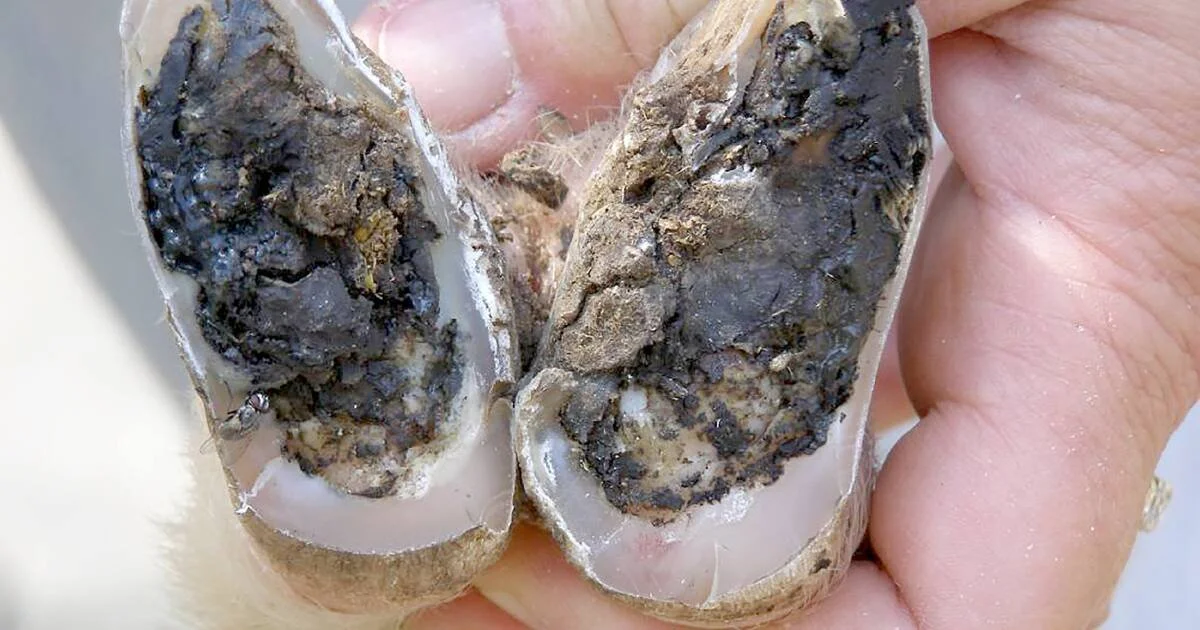
Footrot can be found in both sheep and goats
7. Common Diseases and Conditions to Watch
Some common health issues for Australian flocks include:
Flystrike – caused by blowfly larvae; manage through crutching, shearing, and breech hygiene.
Footrot and scald – thrive in wet conditions; maintain good drainage and inspect hooves regularly.
Pink eye (infectious keratoconjunctivitis) – more common in dusty or fly-heavy seasons; isolate affected animals.
Worm-related anaemia and bottle jaw – treat promptly and review parasite plan.
Always reach out to your neighbours, local livestock agent, or veterinarian if you notice unusual signs such as limping, scouring, cloudy eyes, or sudden weight loss. Early action saves time, money, and welfare.
8. Biosecurity and Flock Health Planning
Good biosecurity protects your flock and the wider region from disease spread.
Why it matters:
Diseases like footrot or lice can easily transfer through contaminated equipment or stray animals.
Tip:
Isolate new arrivals for at least 14 days.
Check NLIS tags and vendor declarations before introducing stock.
Clean and disinfect shearing gear, yards, and water troughs.
Manage visitor access and use dedicated footwear and clothing when moving between properties.
Final Word
Sheep and goats might be small, but the responsibility of caring for them well is big. Sound animal husbandry builds resilience in your flock, confidence in your management, and sustainability in your land.
If you’re ever unsure, reach out to your neighbours, your local livestock agent, or your veterinarian — these local networks are the backbone of Australian agriculture.
And if you’re keen to build more confidence in practical, hands-on flock management, join us at a Livestock Production Essentials Workshop, where we break down these practices step by step — from animal health and welfare to compliance, nutrition, and record-keeping.
Resources and useful links:
Workshop link: https://www.jabagrisolutions.com.au/events-2-1
Paraboss: https://paraboss.com.au/paraboss-resources/?species=Sheep&soia=sheep®ion=&season=
Zoetis: https://www2.zoetis.com.au/livestock-solutions/sheep
ISC - LPA Record Management : chrome-extension://efaidnbmnnnibpcajpcglclefindmkaj/https://www.integritysystems.com.au/globalassets/isc/pdf-files/lpa-documents/lpa-records-templates/210820-lpa-record-keeping-booklet-form.pdf
Kind Regards,
Amanda Burchmann
Livestock Production & Industry Development Specialist
Founder | Advocate | Producer
Phone: 0408847536
Email: amanda@jabagrisolutions.com.au
Disclaimer:
The information provided in this article is true and correct to the best of my knowledge at the time of publication. It is intended for general guidance and informational purposes only. Readers are encouraged to verify any information and seek independent advice relevant to their individual circumstances, particularly where legal, financial, or regulatory compliance matters are concerned.