Animal Welfare – What It Is, Why It Matters, and How We Can All Contribute
Animal Welfare – What It Is, Why It Matters, and How We Can All Contribute
At the heart of every successful livestock enterprise—whether it’s a commercial cattle operation or a small hobby farm—is a strong foundation of animal welfare. As livestock producers, caretakers, and advocates for the industry, we all have a responsibility to ensure the animals in our care are treated with respect, compassion, and integrity.
But what exactly is animal welfare, and why is it such a critical part of modern livestock management?

Creating an Animal Welfare Management Plan
What is Animal Welfare?
Animal welfare refers to the physical and mental wellbeing of animals. It covers a broad spectrum of considerations, including:
Access to clean water and adequate nutrition
Appropriate shelter and protection from extreme weather
Freedom from pain, injury, or disease
The ability to express natural behaviours
Calm, humane handling during husbandry practices and transport
The Five Freedoms are often used as a benchmark and starting point for measuring animal welfare outcomes. These aren’t just idealistic principles—they’re practical, science-backed foundations that help guide ethical and effective livestock management.
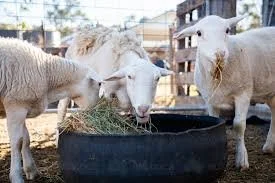
Good quality feed
Why Is Animal Welfare So Important?
Animal welfare is not just a moral responsibility; it also has direct and measurable impacts on the productivity, health, and marketability of livestock. Livestock that are well cared for:
Gain weight more consistently
Have lower stress levels and fewer disease outbreaks
Are safer and easier to handle
Contribute to a more reputable, sustainable industry
In fact, good welfare is now expected not only by government regulators and auditors, but also by our supply chain partners, buyers, and consumers. Whether you’re producing for personal consumption, local markets, or national processors, animal welfare can affect your ability to sell and grow.
How Can We All Contribute?
The good news is that contributing to better welfare outcomes doesn’t require a degree in animal science or a million-dollar setup. Here are a few ways all livestock owners—regardless of scale—can make a positive impact:
Observe daily: Spending time watching your livestock helps detect early signs of illness, injury, or stress.
Keep handling low-stress: Use quiet movement, understanding of flight zones, and proper facilities to reduce fear and injury.
Provide adequate shade, water, and nutrition, especially during peak heat or cold snaps.
Use best-practice husbandry methods for procedures like castration, dehorning, and weaning—always using pain relief where required.
Know your responsibilities: Stay up to date with codes of practice and animal welfare legislation relevant to your state and species.
Ask for help: Whether it’s your local vet, DPI officer, or a livestock consultant—reach out if you’re unsure.
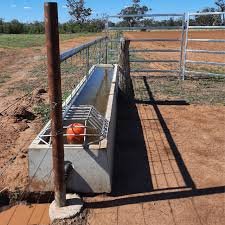
Nice clean water
Final Thoughts
Animal welfare is everyone’s business. Whether you run 2 goats or 2,000 head of cattle, the choices you make directly affect the lives of the animals in your care. At JAB Agri Solutions, we’re committed to helping small-scale and emerging producers build confidence, know-how, and community in doing what’s right by their livestock—and themselves.
Because at the end of the day, good welfare is good farming.
Kind Regards,
Amanda Burchmann
Livestock Production & Industry Development Specialist
Founder | Advocate | Producer
Phone: 0408847536
Email: amanda@jabagrisolutions.com.au
Useful Links
https://www.mla.com.au/research-and-development/animal-health-welfare-and-biosecurity/
https://www.goodmeat.com.au/animal-health-welfare/red-meat-and-on-farm-practices/
https://www.integritysystems.com.au/on-farm-assurance/animal-welfare/
https://www.agriculture.gov.au/agriculture-land/animal/welfare/animal-welfare-in-australia
https://www.agriculture.gov.au/agriculture-land/animal/welfare/standards-guidelines
Disclaimer:
The information provided in this article is true and correct to the best of my knowledge at the time of publication. It is intended for general guidance and informational purposes only. Readers are encouraged to verify any information and seek independent advice relevant to their individual circumstances, particularly where legal, financial, or regulatory compliance matters are concerned.