Parasite Resistance: The Hidden Threat to Livestock Productivity
Parasites such as flies, buffalo flies, and ticks have long been a burden for Australian livestock producers. But in recent years, the real challenge isn’t just the pests themselves — it’s resistance. Across beef, dairy, and small stock operations, chemical resistance is rising fast, driven by inconsistent treatment practices, underdosing, and limited rotation between active ingredients.
This issue is costing producers in productivity losses, animal welfare concerns, and wasted chemical inputs. Understanding what’s driving resistance — and how to manage it — is critical for every producer, regardless of herd size or location.
The Key Culprits: Flies, Buffalo Fly, and Ticks
Buffalo Fly (Haematobia irritans exigua)
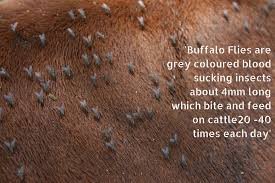
Buffalo fly numbers surge during warm, humid conditions — particularly across northern and eastern Australia. Each fly can feed up to 20 times a day, causing irritation, hide damage, reduced weight gain, and in severe cases, fly worry leading to behavioural stress.
Ticks (Rhipicephalus microplus and others)
Cattle ticks and paralysis ticks remain major issues, especially in tropical and subtropical zones. Tick infestations not only drain blood and lower productivity but also transmit diseases like tick fever (Babesiosis and Anaplasmosis).
Other External Parasites
House flies, lice, and biting midges also add pressure, particularly in confined or wet environments. Each pest has its own life cycle — and its own window of vulnerability — which is why management needs to be both strategic and sustained.
Understanding Resistance: What’s Really Happening
Resistance occurs when parasites survive a chemical treatment and pass on that tolerance to their offspring. Over time, the population becomes harder to control, even with higher doses or new products.
The main drivers of resistance include:
Underdosing – Using less than the recommended amount based on liveweight means parasites receive a sub-lethal dose. This doesn’t kill them but gives them a chance to adapt.
Failure to Rotate Actives – Many products share the same active ingredient, even under different brand names. Repeatedly using the same chemical group accelerates resistance.
Infrequent or Mistimed Treatments – Treating too late (when infestations are already heavy) or too often (without considering lifecycle timing) both increase selective pressure.
Poor Application Techniques – Incomplete coverage from sprays, pour-ons, or back rubbers leaves part of the population untreated.
Neglecting Non-Chemical Control – Reliance solely on chemical treatments without incorporating pasture and animal management allows parasite cycles to continue unchecked.

Managing Parasite Resistance on Farm
a. Dose Correctly and Weigh Animals
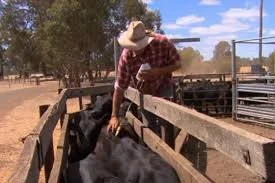
Always dose to the heaviest animal in the group, not the average. Guessing weights is one of the biggest contributors to underdosing. Use a weigh scale or weight tape, and calibrate equipment regularly.
b. Rotate Chemical Groups — Not Just Brands
Producers should learn to identify the active ingredient on the label, not just the brand name. Common actives like ivermectin, abamectin, or moxidectin all belong to the same chemical group (macrocyclic lactones). Switching between these isn’t a true rotation.
Work with your local vet, reseller, or Zoetis/Elanco representative to plan a rotation strategy that alternates between different chemical classes (e.g., organophosphates, synthetic pyrethroids, macrocyclic lactones).
c. Integrate Non-Chemical Strategies
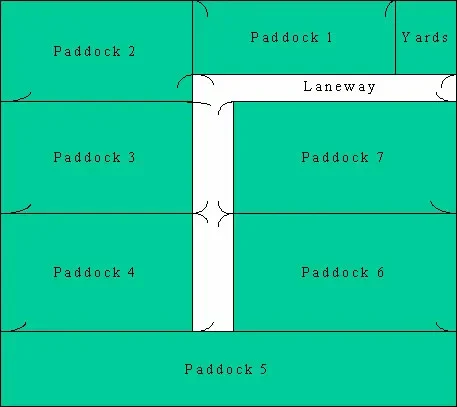
Rotational Grazing: Move stock regularly to break the parasite lifecycle and reduce larvae buildup in pasture.
Dung Beetles: Encourage dung beetle activity to bury manure quickly and disrupt buffalo fly breeding sites.
Genetic Selection: Breeding for tick and fly resistance is a long-term but powerful approach.
Fly Traps and Back Rubbers: Useful for reducing pressure between chemical treatments.
d. Monitor and Record
Keep records of product use, dates, and outcomes. If control drops off too soon after treatment, it could indicate resistance. Report suspected resistance cases to your vet or local biosecurity officer — early action can help prevent wider spread.
The Economic and Welfare Impact
Parasite infestations can cost cattle producers up to $40–$60 per head per year through reduced weight gain, milk yield, and hide value. Beyond economics, unmanaged fly and tick burdens directly impact animal welfare, leading to stress, rubbing, sores, and secondary infections.
Good parasite management is more than a production tool — it’s part of your Livestock Production Assurance (LPA) responsibilities for animal health and welfare.
Takeaway: A Proactive Approach Pays Off
The key to managing parasite resistance lies in prevention, precision, and planning. Treating strategically — with the right product, at the right dose, at the right time — not only protects your animals but also preserves the effectiveness of our limited chemical options for years to come.
Producers who combine good pasture management, sound animal health planning, and smart rotation of actives are already seeing stronger performance and fewer parasite flare-ups — proving that a proactive approach is the most profitable one.
✅ Practical Action Checklist
Weigh animals before treatment – does accordingly
Check active ingredient and chemical group – when swapping ensure the active chemical is swapped out
Rotate actives annually or seasonally – rotational grazing
Record all treatments (date, product, dose, results) – (WHP) With Holding Period
Implement rotational grazing
Monitor for early signs of resistance
Kind Regards,
Amanda Burchmann
Livestock Production & Industry Development Specialist
Founder | Advocate | Producer
Phone: 0408847536
Email: amanda@jabagrisolutions.com.au
Disclaimer:
The information provided in this article is true and correct to the best of my knowledge at the time of publication. It is intended for general guidance and informational purposes only. Readers are encouraged to verify any information and seek independent advice relevant to their individual circumstances, particularly where legal, financial, or regulatory compliance matters are concerned.