Breeding Livestock for Australian Conditions: Why Genetics & Climate Matter
Choosing the right livestock breed isn’t just about looks or tradition—it’s a crucial decision that affects animal health, productivity, and long-term success.
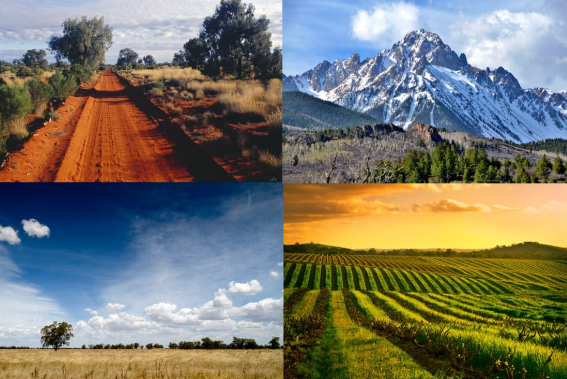
Across Australia’s diverse landscapes, producers face vastly different challenges—from coastal tick infestations and tropical humidity to harsh frosts and drought-prone inland regions.
Here’s why understanding breeds and genetics matters:
✅ Different Breeds for Different Environments
In coastal and tick-prone areas, breeds like Brahman or Droughtmaster offer natural tick resistance and heat tolerance.
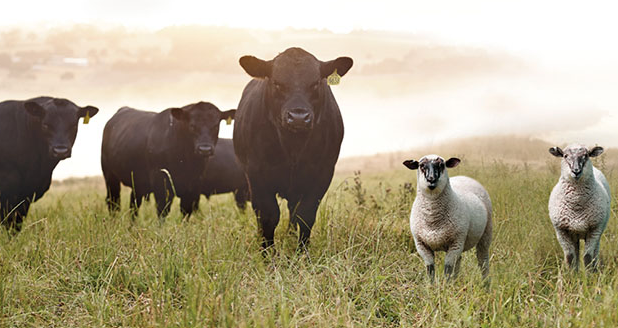
In cold or high-rainfall regions, British breeds such as Angus, Hereford, or Border Leicester sheep thrive with strong fleece and body condition.
In drier inland zones, Merinos, Dorper sheep, or composite cattle breeds perform well under lower feed and water availability.
✅ Decades of Targeted Breeding
Australian producers and researchers have spent generations fine-tuning genetics to ensure livestock are resilient, productive, and adapted to their region. Selection has focused on:
Fertility and mothering ability
Growth rates and feed conversion
Resistance to parasites, heat, and disease
Temperament and carcass quality
Beef quality versus milk quality
✅ Why It Matters to You
Even on a small farm or hobby block, selecting the right breed can:
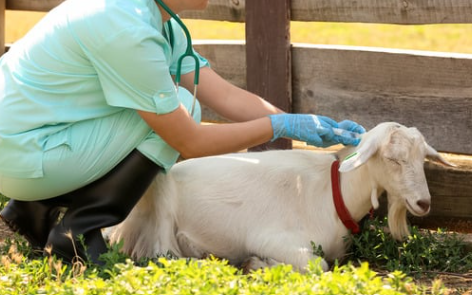
Lower your vet and feed bills
Improve animal welfare and longevity
Reduce risks from heat stress or parasite outbreaks
Help you meet market and climate demands confidently
Whether you're breeding a few calves a year or managing a mixed flock, it pays to do your research—or speak to trusted advisors, neighbours, livestock agents —before buying stock.
Look for breeders who provide clear genetic, health, and temperament histories.
Final Thoughts
We believe that the right animal in the right environment leads to healthier herds, better returns, and peace of mind. Finding the right information for your land and location when it comes to livestock breeding management is essential.
Kind Regards,
Amanda Burchmann
Livestock Production & Industry Development Specialist
Founder | Advocate | Producer
Phone: 0408847536
Email: amanda@jabagrisolutions.com.au
Useful Links
Information:
https://breedplan.une.edu.au/
https://www.sheepgenetics.org.au/getting-started/key-steps/
https://www.sheepgenetics.org.au/resources/kidplan/
https://www.mla.com.au/research-and-development/Genetics-and-breeding/
Courses:
https://www.mla.com.au/extension-training-and-tools/resource-hubs/southern-rangelands-hub/short-courses/
https://elearning.mla.com.au/courses/concepts-of-animal-breeding-and-genetics/
Resources and Tools:
https://www.mla.com.au/extension-training-and-tools/
Disclaimer:
The information provided in this article is true and correct to the best of my knowledge at the time of publication. It is intended for general guidance and informational purposes only. Readers are encouraged to verify any information and seek independent advice relevant to their individual circumstances, particularly where legal, financial, or regulatory compliance matters are concerned.