A Beginner’s Guide to Selecting and Buying Livestock for Small-Scale Producers and Hobby Farmers
Starting out in livestock farming can be both exciting and a bit overwhelming. Whether you're aiming for a small herd of sheep, goats, pigs, or poultry, making informed decisions is essential for animal welfare, your farm’s success, and compliance with regulations. Here's a comprehensive guide to help you select and buy livestock responsibly and confidently.
1. Planning Your Livestock Purchase
Assess Your Goals and Resources
Purpose: Are you raising animals for meat, milk, breeding, or hobby enjoyment?
Space & Environment: Ensure your land and facilities suit the species and breeds you're interested in.
Budget: Consider costs beyond purchase price, like feed, healthcare, fencing, and infrastructure.
2. Choosing the Right Animals
Health & Vitality
Look for animals with bright, clear eyes, clean noses, and good body condition.
Avoid animals showing signs of illness, such as lethargy, discharge, or abnormal behavior.
Age and Sex
Younger animals (e.g., lambs, piglets, chicks) might be easier to manage but may require more care.
Mature animals can be a better choice if you want immediate productivity or breeding stock.
Know the sex of the animal and how it fits your goals.
Breed Suitability
Select breeds adapted to your climate, terrain, and resource availability.
Research breeds for temperament, productivity, and disease resistance.
3. Transport Considerations
Loading and Unloading
Use appropriate, sturdy equipment like ramps or loading chutes.
Practice gentle handling to reduce stress.
Have helpers if needed, and ensure animals are secured safely during transport.
Transport Conditions
Keep animals comfortable, avoiding overcrowding.
Maintain proper ventilation and temperature control.
Minimise travel time to reduce stress and health risks.
Suitable unloading ramp, yards and a withholding pen.
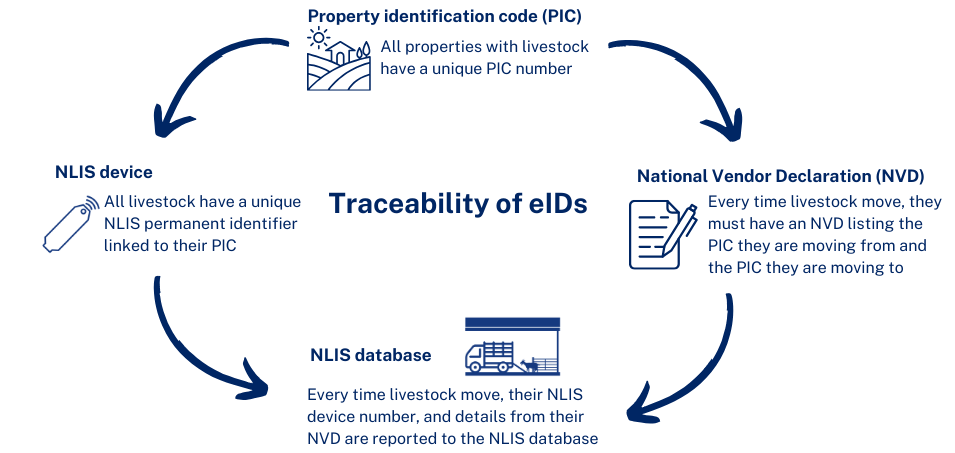
The stock must be transported with a Declaration (NVD, eNVD) advising PIC to PIC details, animal description (check with your local agent, or Biosecurity Officer).
4. Veterinary Care and Disease Prevention
Drenching and Vaccination
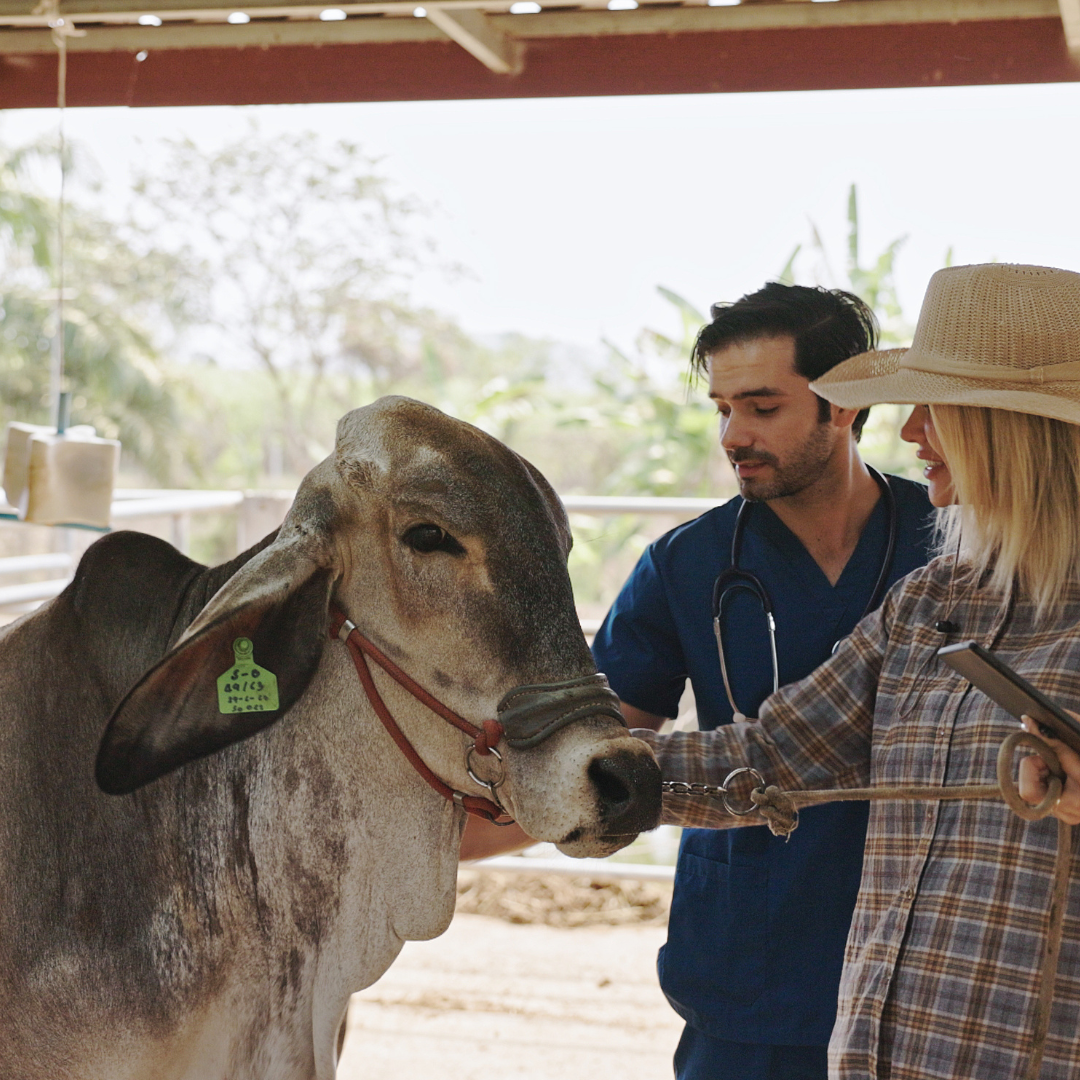
Establish a relationship with a local veterinarian experienced in livestock.
Regular vaccination schedules protect against common diseases.
Drench (worming) should be done based on veterinary advice and farm-specific needs.
Facilities
Have a designated, secure yard or quarantine area for new arrivals.
Maintain clean, dry, and well-ventilated spaces to prevent illness.
5. Sourcing Livestock Safely
Where to Buy
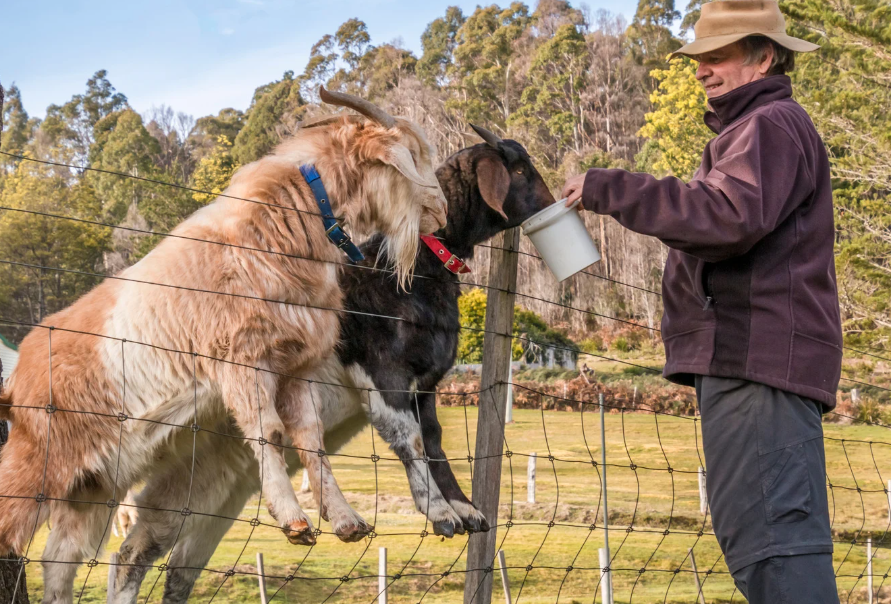
Reputable breeders and farms: Check references and reviews.
Livestock sales or auctions: Good for variety and price comparison, but ask to see animals beforehand.
Local produce stores or co-ops: Sometimes sell young stock or breeding animals.
Can You Trust Sellers?
Ask for health records and pedigree papers, so you know when the animal was last treated and with what.
Ensure the animal has NLIS tag.
Visit the farm or seller’s premises if possible.
Seek recommendations from local farmers or agricultural groups.
6. Building Relationships and Getting Advice
Veterinarians: They provide health care, vaccination schedules, and breed advice.
Neighbors and Local Farmers: Valuable sources of practical advice and support.
Attending Sales: Talk to other buyers and sellers to understand market prices and animal quality.
Agricultural Extension Offices: Offer resources, workshops, and regulatory information.
Local Produce Stores: Often have connections and advice on local suppliers.
7. Preparing Your Farm Before Buying
Infrastructure
Fencing: Secure, predator-proof fencing suitable for your animals.
Water Supply: Constant access to clean, fresh water.
Feed Storage: Safe, dry storage for feed and supplements.
Yards & Shelter: Adequate space and weather protection.
Knowledge & Planning
Learn about breeding, nutrition, health, and welfare.
Develop a record-keeping system for animal health, breeding, and purchases.
Understand local, state, and federal regulations regarding livestock ownership, transport, and sale.
8. Regulatory & Compliance Considerations
Licensing & Permits: Check if you need specific licenses for your livestock species.
Biosecurity & Disease Control: Follow guidelines to prevent disease spread.
Animal Welfare Laws: Comply with standards for humane treatment.
Environmental Regulations: Manage manure, waste, and runoff responsibly.
Record Keeping: Maintain detailed records for traceability and health management.
Final Tips
Start small and gradually expand as you gain experience.
Prioritise animal health, welfare, and your capacity to provide proper care.
Build relationships with local experts and fellow farmers.
Stay informed about regulations and best practices.
Conclusion
Buying livestock for the first time can be rewarding, but it requires careful planning, research, and ongoing learning. By focusing on animal health, breed suitability, proper transport, and building a strong support network, you’ll set a solid foundation for a successful and sustainable small-scale farming venture. Happy farming!
Kind Regards,
Amanda Burchmann
Livestock Production & Industry Development Specialist
Founder | Advocate | Producer
Phone: 0408847536
Disclaimer:
The information provided in this article is true and correct to the best of my knowledge at the time of publication. It is intended for general guidance and informational purposes only. Readers are encouraged to verify any information and seek independent advice relevant to their individual circumstances, particularly where legal, financial, or regulatory compliance matters are concerned.