Legal Requirements for Owning Livestock in Australia: Importance and Compliance
Owning livestock in Australia is a rewarding venture that can contribute significantly to agriculture, food production, and personal satisfaction. However, it comes with a set of legal requirements that every owner must understand and adhere to. These regulations are vital not only for the welfare of the animals but also for public health, environmental sustainability, and community relations.
Key Legal Requirements
Animal Welfare Standards
Australia has stringent laws governing the welfare of livestock. The Animal Welfare Act varies by state and territory but generally mandates that owners provide adequate food, water, shelter, and care. It is crucial to ensure that animals are treated humanely and that their physical and psychological needs are met. Noncompliance can lead to significant penalties, including fines and confiscation of animals.

Registration and Identification
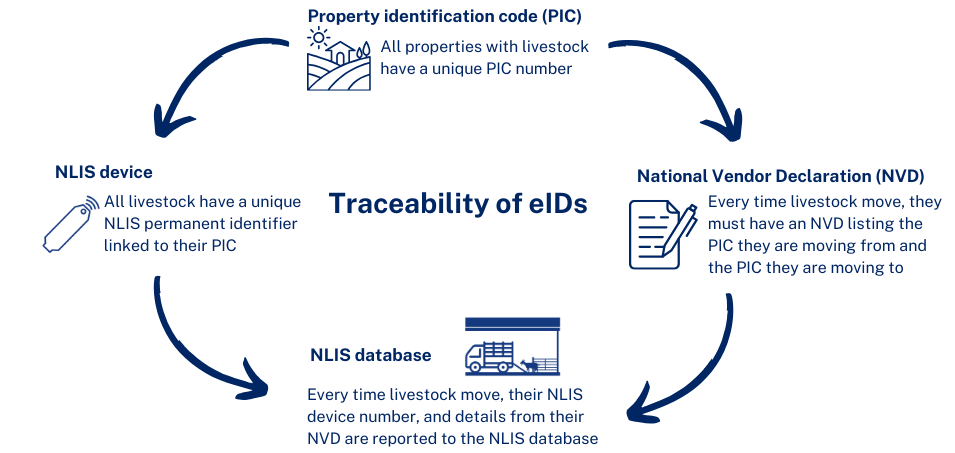
Many states require livestock to be registered and identified. This is particularly important for cattle, sheep, and goats, where ear tags or microchips are often necessary. Proper identification helps trace ownership and manage animal health issues, such as disease outbreaks. Failure to comply with registration can lead to legal repercussions and difficulties in livestock management.
https://sso.mla.com.au/u/login?state=hKFo2SBQSWZxeWlLX0FRWUZ3eWZRNEZieDg5a2djWC0wUnlyaKFur3VuaXZlcnNhbC1sb2dpbqN0aWTZIDVWOFlHSWtEcFgyNjNLTmRQNlc4Z2hVSjg0aDlRNTcyo2NpZNkgd1Q2MmExWmg0SndGT1hWUGNTOUQxd2U1dWowQWVNb2U
Biosecurity Measures
Biosecurity is critical for preventing the spread of diseases among livestock and between animals and humans. Owners are required to implement biosecurity plans that may include vaccination protocols, quarantine procedures for new animals, and regular health checks. Each state has specific guidelines that must be followed to mitigate risks associated with diseases like foot-and-mouth disease or avian influenza.
https://www.mla.com.au/globalassets/mla-corporate/meat-safety-and-traceability/documents/livestock-production-assurance/record-keeping/22921-lpa-biosecurity-plan-template_web.pdf

Land Use and Zoning Regulations
Owning livestock also involves understanding local zoning laws and land use regulations. These laws dictate where livestock can be kept and the number of animals permitted per hectare. Compliance with these regulations is essential to avoid legal disputes with neighbors and local authorities.
Environmental Regulations
Livestock farming can have significant environmental impacts, including land degradation, water pollution, and greenhouse gas emissions. Owners must adhere to environmental laws that govern waste management, land management practices, and water usage. This compliance is essential for sustainable farming practices and maintaining community relations.
Transport Regulations
Transporting livestock is subject to strict regulations to ensure animal welfare during transit. Owners must comply with the Australian Animal Welfare Standards and Guidelines for the Transport of Livestock, which cover loading, transport conditions, and unloading procedures. Proper documentation is also required, including health certificates and permits.

Importance of Compliance
Animal Welfare
Adhering to legal requirements ensures that livestock are treated humanely, promoting their health and well-being. This not only reflects ethical farming practices but also enhances productivity and reduces the risk of injury or illness.
https://www.integritysystems.com.au/on-farm-assurance/animal-welfare/

Public Health
Compliance with biosecurity and health regulations helps prevent the transmission of zoonotic diseases—diseases that can be transmitted from animals to humans. By following these guidelines, livestock owners protect not only their animals but also the broader community.
Environmental Stewardship
Responsible livestock management minimizes environmental impacts, contributing to the sustainability of agricultural practices. By following environmental regulations, farmers can help preserve natural resources and biodiversity.
Economic Viability
Noncompliance with regulations can lead to fines, legal actions, and loss of livestock. Adhering to legal requirements helps ensure the long-term viability of a livestock enterprise, fostering a stable agricultural economy.
Community Relations
Maintaining good relations with neighbors and the community is essential for successful livestock ownership. Compliance with local laws and regulations fosters a positive image and reduces conflicts, contributing to a harmonious community environment.
Conclusion
Owning livestock in Australia is a significant responsibility that requires adherence to various legal requirements. From animal welfare standards to biosecurity measures and environmental regulations, understanding and complying with these laws is crucial for the welfare of the animals, public health, and the sustainability of farming practices. By prioritising compliance, livestock owners contribute to a thriving agricultural sector and a healthier community.
Kind Regards,
Amanda Burchmann
Livestock Production & Industry Development Specialist
Founder | Advocate | Producer
Phone: 0408847536
Disclaimer:
The information provided in this article is true and correct to the best of my knowledge at the time of publication. It is intended for general guidance and informational purposes only. Readers are encouraged to verify any information and seek independent advice relevant to their individual circumstances, particularly where legal, financial, or regulatory compliance matters are concerned.