Summer Pest Challenges for Livestock: Buffalo Flies and Flystrike
As summer arrives, so do a host of pests that can wreak havoc on livestock health and productivity. Among the most significant are buffalo flies on cattle and flystrike on sheep.
Understanding these pests is crucial for producers in Australia, particularly in the northern regions.
Buffalo Flies: A Cattle Producer's Nightmare
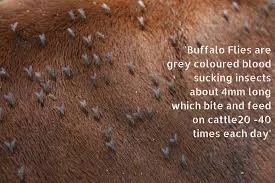
Buffalo flies (*Haematobia irritans*) are a persistent problem for cattle producers, especially in the hot and humid climates of northern Australia. These small, biting flies feed on the blood of cattle, causing discomfort and stress to the animals. The breeding grounds for buffalo flies are typically found in the dung of cattle, creating a cycle that can be difficult to break.
Regions Affected: Buffalo flies thrive in northern Australia, ranging from north-eastern New South Wales to northern Western Australia. Their presence can lead to decreased weight gain, reduced milk production, and overall poor health in cattle.
Management Strategies: Effective management of buffalo flies involves a combination of practices:
- Regular Monitoring: Check for signs of fly activity, particularly during peak seasons.
- Hygiene: Keep paddocks clean by removing dung regularly to limit breeding sites.
- Chemical Control: Use insecticides as a last resort and follow recommended guidelines to minimise resistance.
Flystrike: A Sheep Producer's Concern
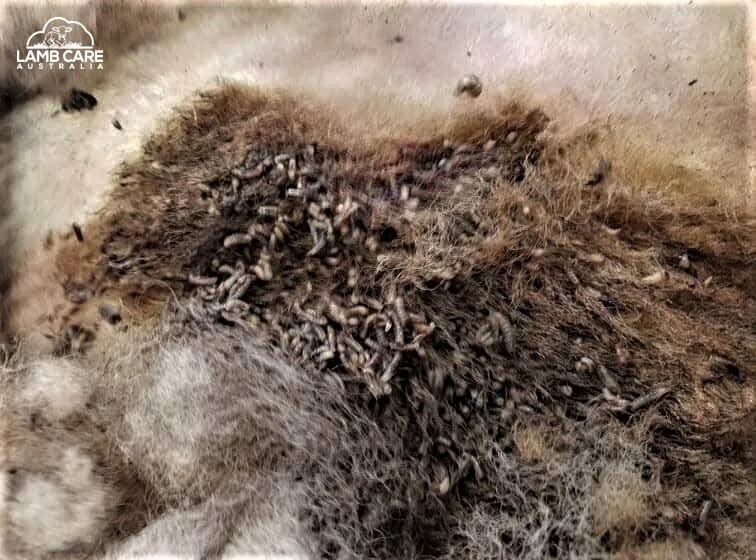
Flystrike is another significant issue, particularly for sheep producers in Australia. It poses serious health, welfare, and economic risks. The primary culprit is the Australian sheep blowfly (*Lucilia cuprina*), easily recognized by its copper-green color and red eyes. The adult female lays eggs in moist or soiled wool, which hatch into smooth-skinned white or cream maggots that burrow into the sheep's skin.
Impact on Sheep: Flystrike can lead to severe infection, distress, and even death in affected sheep. It can also have devastating effects on wool quality and overall flock productivity.
Prevention and Treatment: To manage flystrike effectively:
- Regular Inspections: Monitor sheep for signs of flystrike, especially in warmer months.
- Wool Management: Keep wool clean and trimmed, particularly around the breech area.
- Chemical Treatments: Use preventative treatments during high-risk periods, and consult with veterinarians for appropriate options.
Conclusion
As summer brings an increase in pests like buffalo flies and the threat of flystrike, it’s essential for livestock producers to stay informed and proactive. Implementing effective management strategies can safeguard the health of cattle and sheep, ultimately protecting the welfare of the animals and the profitability of the farm.
For further information on identifying, managing, and treating these pests, consider exploring the following resources:
By staying vigilant and prepared, producers can minimise the impact of these summer pests on their livestock.
Disclaimer:
The information provided in this article is true and correct to the best of my knowledge at the time of publication. It is intended for general guidance and informational purposes only. Readers are encouraged to verify any information and seek independent advice relevant to their individual circumstances, particularly where legal, financial, or regulatory compliance matters are concerned.