LPA Compliance & Best Practice
Even If You Only Run a Few Head
For many small livestock producers — hobby farmers, new landholders, or those quietly running a small herd of cattle, sheep or goats — the Livestock Production Assurance (LPA) program can feel overwhelming. The language, the paperwork, the audits, the “must-haves”… it’s easy to feel like it’s all designed for large scale operations.
But here’s the truth:
If you are supplying meat into the food chain — and even if it’s just for your own freezer — you are part of Australia’s livestock industry.
And with that comes responsibility.
Compliance isn’t just about ticking a box for auditors.
It’s about producing food that is safe, ethical, traceable, and handled with integrity from paddock to plate.
Below is a clear breakdown of what every producer should have in place, why it matters, and how to start.
Why LPA Matters — Even for Small Numbers
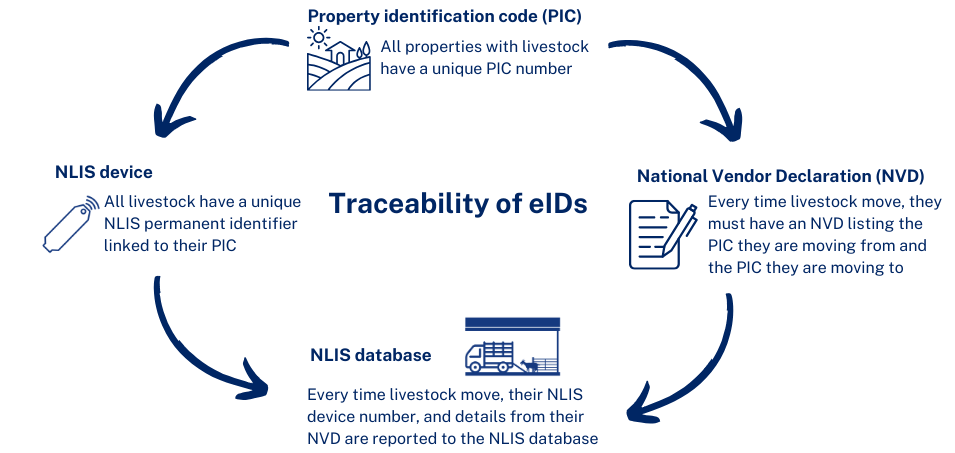
Australia has one of the most trusted red meat industries in the world. Our market access depends on strong traceability, food safety and welfare standards. When one producer falls short, the whole system is put at risk.
Being LPA accredited means you commit to:
✔ Animal welfare
✔ Biosecurity
✔ Food safety
✔ Traceability
✔ Responsible use of chemicals & treatments
And importantly — being audit-ready proves it.
What You Need in Place (and Why It’s Not as Scary as It Sounds)
The foundation documents every LPA-accredited producer should have available:
1. Animal Welfare Management Plan
Outlines how animals are handled, transported, treated and cared for.
Good welfare = good production outcomes = good meat.
2. Biosecurity Management Plan
A written plan showing how you prevent, manage and contain disease risks.
This includes boundary fencing, quarantine procedures, new arrivals, pests, visitors and more.
Tip: A Biosecurity sign at the property entrance is now a requirement — grab one from your local produce store.
3. Property Risk Assessment
This identifies risks relating to water sources, toxic plants, residues, contaminated sites, feed and exposure to chemicals.
The aim? To protect your livestock, your consumers, and your land.
4. Fit to Load Guide
Every producer should know when an animal is safe and suitable for transport.
Lameness, injury, condition score — these must be assessed before loading.
5. LPA Program Rules
Keep a copy saved or printed.
During an audit, being able to demonstrate access to current reference material is essential.
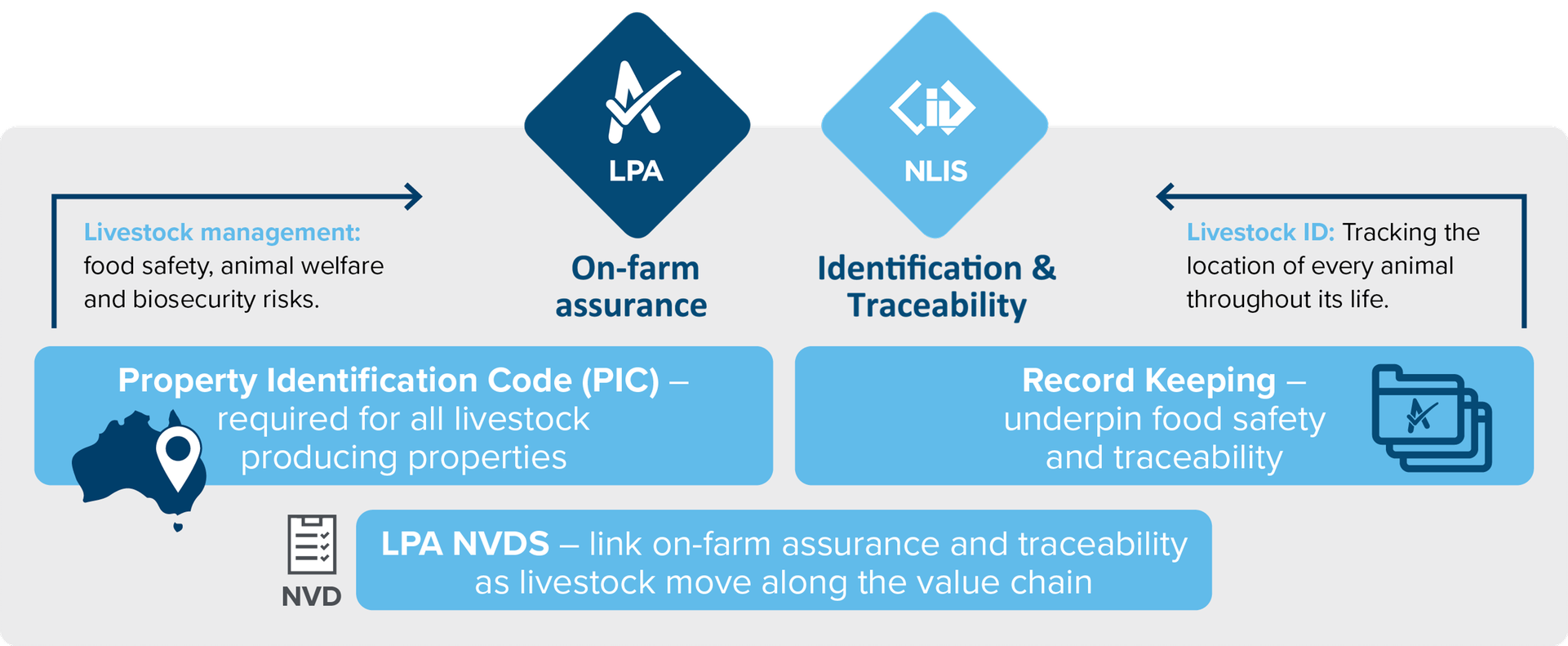
Record Keeping — Your Best Friend in an Audit
Good records don’t just protect consumers.
They protect you.
You must be able to show:
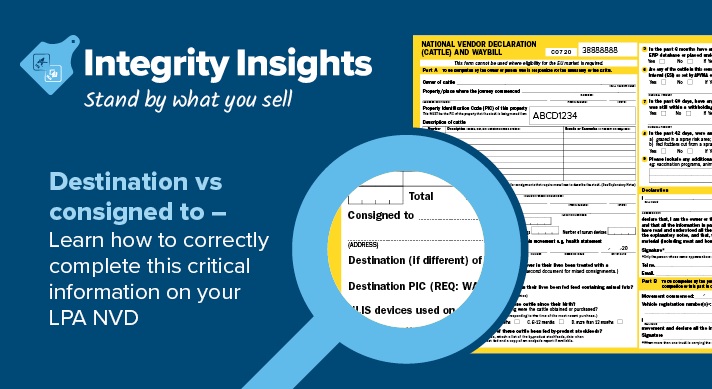
📌 All incoming and outgoing NVD/eNVDs
📌 Treatment records — product, batch, dose rate, who administered it, where, when
📌 Withholding periods & export slaughter intervals (very important)
📌 Chemical use logs
📌 Feeding supplements, drenches, vaccines, tags, welfare procedures
A simple template — filled out as you go — turns a stressful audit into a smooth process.
Chemical & Treatment Management — A Non-Negotiable
Store chemicals securely and as per label requirements
Never keep or use out-of-date products
Record all dates, doses, batch numbers, and animals treated
Observe withholding periods religiously — food safety depends on it
This isn’t just paperwork.
This is about the safety of meat that may end up on someone’s plate — or your own.
Why This Matters for Those Who Process Their Own Meat
Even if you don’t sell commercially.
Even if you only process for yourself, family or friends.
You should still operate to LPA standards.
Because:
🥩 You deserve to know the meat you are eating is safe
🐂 Your animals deserve correct management, welfare and handling
📋 Your property should be traceable if disease ever emerges
🚜 You are part of a wider industry system — big or small
Our own consumption should never be held to a lower standard than the public supply chain.
Final Message to Producers Big & Small
Compliance isn’t hard — it’s just unfamiliar.
Once you have the right documents and a simple recording system, it becomes second nature. And more importantly, it gives peace of mind knowing your animals are raised ethically, your food is safe, and your business — no matter the size — stands strong and credible.
If you would like help setting up your plans, records or audit preparation, reach out anytime.
Supporting small producers to feel confident, compliant and capable is exactly what we do.
Every producer matters. Every animal matters. Every meal matters.
Other helpful links:
LPA Templates and record keeping:- https://www.integritysystems.com.au/on-farm-assurance/record-keeping/
PIC Reconciliation: - https://www.youtube.com/watch?v=okAavizsXnk
Moving stock on or off a property:- https://www.youtube.com/watch?v=Q5NsKJoV-To
Completing an NVD:- https://www.youtube.com/watch?v=lSY6YhO7a-0
Kind Regards,
Amanda Burchmann
Livestock Production & Industry Development Specialist
Founder | Advocate | Producer
Phone: 0408847536
Email: amanda@jabagrisolutions.com.au
Disclaimer:
The information provided in this article is true and correct to the best of my knowledge at the time of publication. It is intended for general guidance and informational purposes only. Readers are encouraged to verify any information and seek independent advice relevant to their individual circumstances, particularly where legal, financial, or regulatory compliance matters are concerned.