Understanding NLIS, Earmarking, and Branding
Understanding NLIS, Earmarking, and Branding for Hobby Farmers and Small Livestock Producers in Australia
For hobby farmers and small livestock producers in Australia, navigating compliance and identification requirements can be overwhelming. Among the most critical components are the National Livestock Identification System (NLIS), earmarking, and branding. Understanding the purpose and regulations for each can help ensure compliance and maintain traceability within the livestock industry.
What is NLIS?
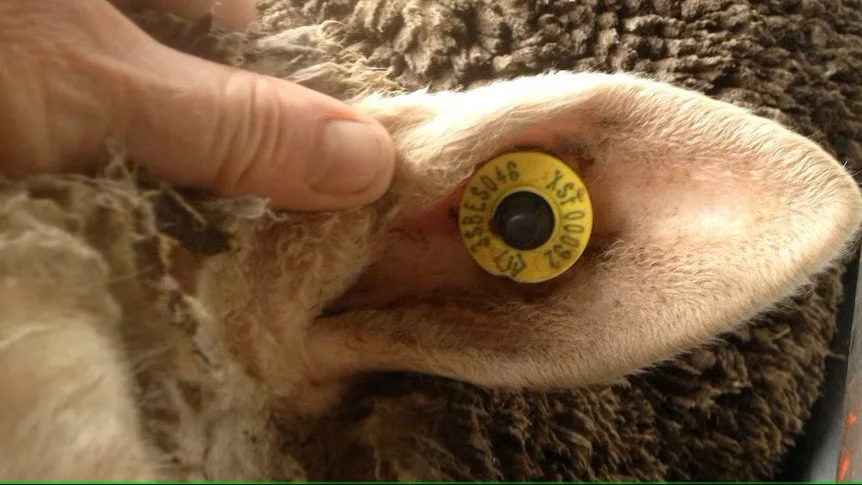
The National Livestock Identification System (NLIS) is Australia's system for the identification and traceability of livestock. It is mandatory for cattle, sheep, and goats to have electronic ear tags. Each tag is linked to a Property Identification Code (PIC), enabling authorities to track livestock movements throughout the supply chain.
Why is NLIS Important?
Ensures traceability for biosecurity, food safety, and market access.
Helps manage disease outbreaks and contamination incidents.
Mandatory for all livestock movements, including sales and agistment.
Earmarking
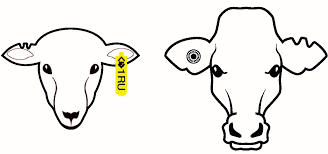
Earmarking is the process of cutting a specific shape or pattern into the animal's ear to indicate ownership. Historically used before electronic identification, earmarking remains a legal requirement in some states and is considered a visible proof of ownership.
State and Territory Requirements for Earmarking:
Queensland (QLD): Optional.
Western Australia (WA): Optional.
New South Wales (NSW): Optional.
Victoria (VIC): Optional.
South Australia (SA): Optional.
Tasmania (TAS): Optional.
Northern Territory (NT): Optional.
Australian Capital Territory (ACT): Optional.
Branding
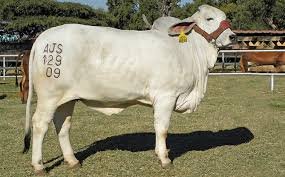
Branding involves permanently marking livestock with a symbol registered to the property owner. Hot-iron or freeze branding is used primarily on cattle to indicate ownership.
State and Territory Requirements for Branding:
Queensland (QLD): Mandatory for cattle before sale.
Western Australia (WA): Mandatory for cattle before sale.
New South Wales (NSW): Optional.
Victoria (VIC): Optional.
South Australia (SA): Optional.
Tasmania (TAS): Optional.
Northern Territory (NT): Mandatory for cattle before sale.
Australian Capital Territory (ACT): Optional.
Practical Tips for Compliance
Register for a PIC: Essential for all livestock owners.
Use NLIS Tags: Ensure all livestock are tagged before movement.
Check State and Territory Regulations: Compliance varies by region.
Maintain Accurate Records: Keep records of livestock movements and updates on state legislation.
For hobby farmers and small producers, understanding these systems helps avoid penalties and ensures a seamless operation. If you need further guidance, consider reaching out to JAB Agri Solutions for support in navigating these requirements.
Disclaimer:
The information provided in this article is true and correct to the best of my knowledge at the time of publication. It is intended for general guidance and informational purposes only. Readers are encouraged to verify any information and seek independent advice relevant to their individual circumstances, particularly where legal, financial, or regulatory compliance matters are concerned.